South Carolina Slip-and-Fall Laws: What Property Owners Must Know
Slip-and-fall accidents can happen anywhere. They often occur in places people assume are safe, like grocery stores, apartment complexes, office buildings, or even private homes. In South Carolina, these accidents can lead to serious injuries, including broken bones, head trauma, and back injuries. When an accident occurs, questions often arise about responsibility. Property owners have specific legal obligations to ensure the safety of those on their premises. Understanding these responsibilities can help prevent accidents and protect property owners from legal liability.
The Legal Basis for Slip-and-Fall Claims
South Carolina recognizes slip-and-fall cases under premises liability law. This area of law holds property owners responsible for maintaining safe conditions for visitors. The type of legal responsibility a property owner has depends on the visitor’s status. Visitors are generally classified as invitees, licensees, or trespassers.
Invitees are people who enter a property for a business purpose or for the mutual benefit of both parties. Grocery store customers and restaurant patrons fall into this category. Property owners owe invitees the highest duty of care. They must regularly inspect the property, address hazards, and warn visitors of dangers that might not be obvious.
Licensees are guests or social visitors who enter property for their own purposes with the owner’s consent. Property owners must warn licensees of known dangers but are not required to inspect the property as rigorously as for invitees.
Trespassers are individuals who enter a property without permission. Property owners generally have the least responsibility toward trespassers, although they cannot intentionally cause harm.
Common Causes of Slip-and-Fall Accidents
Slip-and-fall incidents can result from many conditions. Some of the most common causes in South Carolina include wet floors, uneven surfaces, damaged sidewalks, poor lighting, loose rugs, and cluttered walkways. Weather-related hazards, like ice and snow, can also lead to accidents. In commercial spaces, spills or recently cleaned floors are frequent triggers for falls.
Property owners should understand these risks and take proactive steps. Regular inspections, timely repairs, and proper signage can reduce the likelihood of accidents. Documenting maintenance and safety measures is also helpful in defending against potential claims.
Property Owner Responsibilities
In South Carolina, property owners have a legal obligation to keep their premises reasonably safe. For invitees, this responsibility includes:
- Conducting regular inspections to identify hazards.
- Correcting dangerous conditions promptly.
- Warning visitors of hazards that cannot be immediately fixed.
- Maintaining adequate lighting, handrails, and non-slip surfaces where necessary.
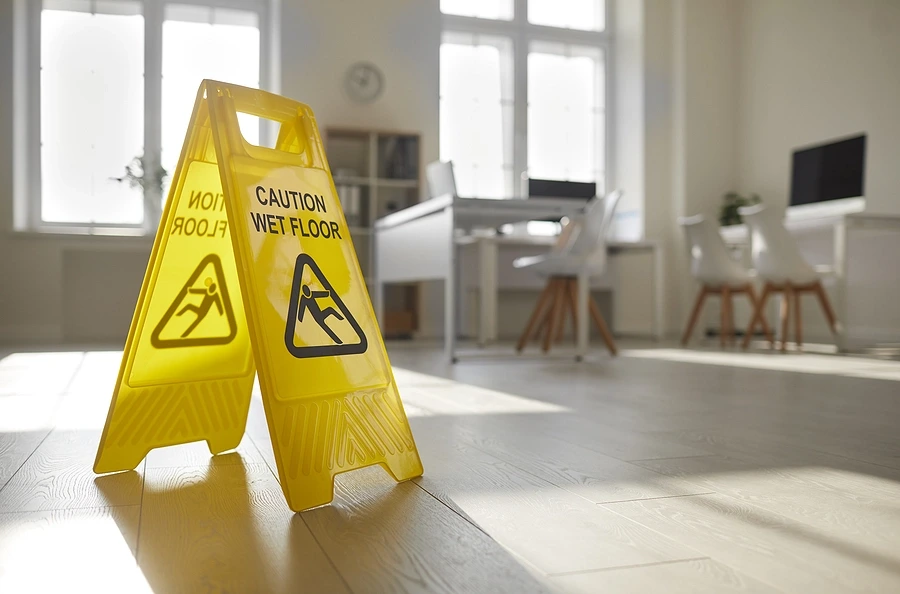
Failing to meet these responsibilities can lead to liability if someone is injured. Even small oversights, like a wet floor without a warning sign, can result in legal consequences.
Proving Negligence in a Slip-and-Fall Case
To hold a property owner responsible for a slip-and-fall injury, it must be shown that the owner was negligent. In South Carolina, proving negligence generally involves four elements: duty, breach, causation, and damages.
- Duty refers to the responsibility property owners have to keep their premises safe.
- Breach occurs when the owner fails to meet that duty, such as ignoring a known hazard.
- Causation links the breach directly to the injury suffered.
- Damages refer to the actual harm caused, including medical bills, lost wages, and pain and suffering.
For property owners, understanding these elements is crucial. Maintaining records of inspections, repairs, and safety measures can help demonstrate that reasonable care was taken.
Preventing Slip-and-Fall Accidents
Prevention is the best way to avoid legal trouble. Property owners can take several steps to minimize risks:
- Conduct routine inspections of floors, stairs, and walkways.
- Clean spills promptly and place warning signs when necessary.
- Repair uneven or damaged surfaces quickly.
- Ensure adequate lighting in all areas, including parking lots and stairwells.
- Install non-slip surfaces in areas prone to moisture.
Staff training is also important. Employees should know how to identify hazards and respond appropriately. Documenting safety procedures and employee training can further demonstrate a commitment to preventing accidents.
Insurance Considerations
Many property owners carry liability insurance to cover injuries on their premises. However, insurance coverage does not eliminate the need for proper safety measures. Insurance companies may investigate the circumstances of an accident, and evidence of negligence can affect coverage or claims. Maintaining a proactive safety program can reduce liability and help with insurance claims.
Responding to an Accident
If a slip-and-fall accident occurs, property owners should take immediate steps to document the incident. This includes:
- Recording the time, date, and location of the accident.
- Taking photographs of the scene.
- Gathering witness statements.
- Reporting the incident to their insurance provider.
Prompt action can protect both the injured party and the property owner. Avoid admitting fault at the scene, as statements can be used later in legal proceedings.
Understanding Comparative Fault
South Carolina follows a modified comparative negligence system. This means that if an injured person is partially responsible for their own accident, their compensation may be reduced proportionally. For example, if a visitor was running and slipped on a wet floor, the property owner’s liability could be reduced by the percentage of the visitor’s fault. If the visitor is found more than 50% at fault, they may be barred from recovering damages entirely.
Legal Assistance and Representation
Slip-and-fall cases can be complicated. Property owners facing claims should seek legal advice to understand their responsibilities and options. Consulting a South Carolina personal injury lawyer can provide guidance on liability, insurance claims, and defense strategies.
For individuals injured in a slip-and-fall accident, legal representation can help ensure fair compensation. A lawyer can gather evidence, negotiate with insurance companies, and represent the injured party in court if necessary.
Conclusion
Slip-and-fall accidents are common but often preventable. Property owners in South Carolina must understand their legal duties and take active measures to maintain safe premises. Regular inspections, prompt repairs, proper warnings, and staff training are essential steps.
Being proactive not only protects visitors but also reduces the risk of legal claims. In the event of an accident, thorough documentation and professional legal guidance are crucial. Understanding slip-and-fall laws can help property owners meet their responsibilities while keeping their properties safe for everyone.