South Carolina Pedestrian Accident Laws: What You Need to Know If You Were Hit by a Car
Walking is part of daily life in many South Carolina communities, from downtown sidewalks to neighborhood streets and shopping center parking lots. When a driver fails to yield or is not paying attention, a pedestrian has almost no protection, and the resulting injuries can be serious. Understanding how state law treats pedestrians and drivers can help injured people make sense of their options after a crash. Speaking with an attorney familiar with personal injury claims in Anderson may help clarify how these rules apply to a specific situation. This article explains the right-of-way rules for pedestrians, how fault is determined, the steps that may protect a claim, and the types of compensation an injured pedestrian may pursue under South Carolina law.
Right-of-Way Rules for Pedestrians
South Carolina traffic laws set out when drivers must yield to pedestrians and when pedestrians must yield to vehicles. These rules often play a central role in determining fault.
Crosswalks and Traffic Signals
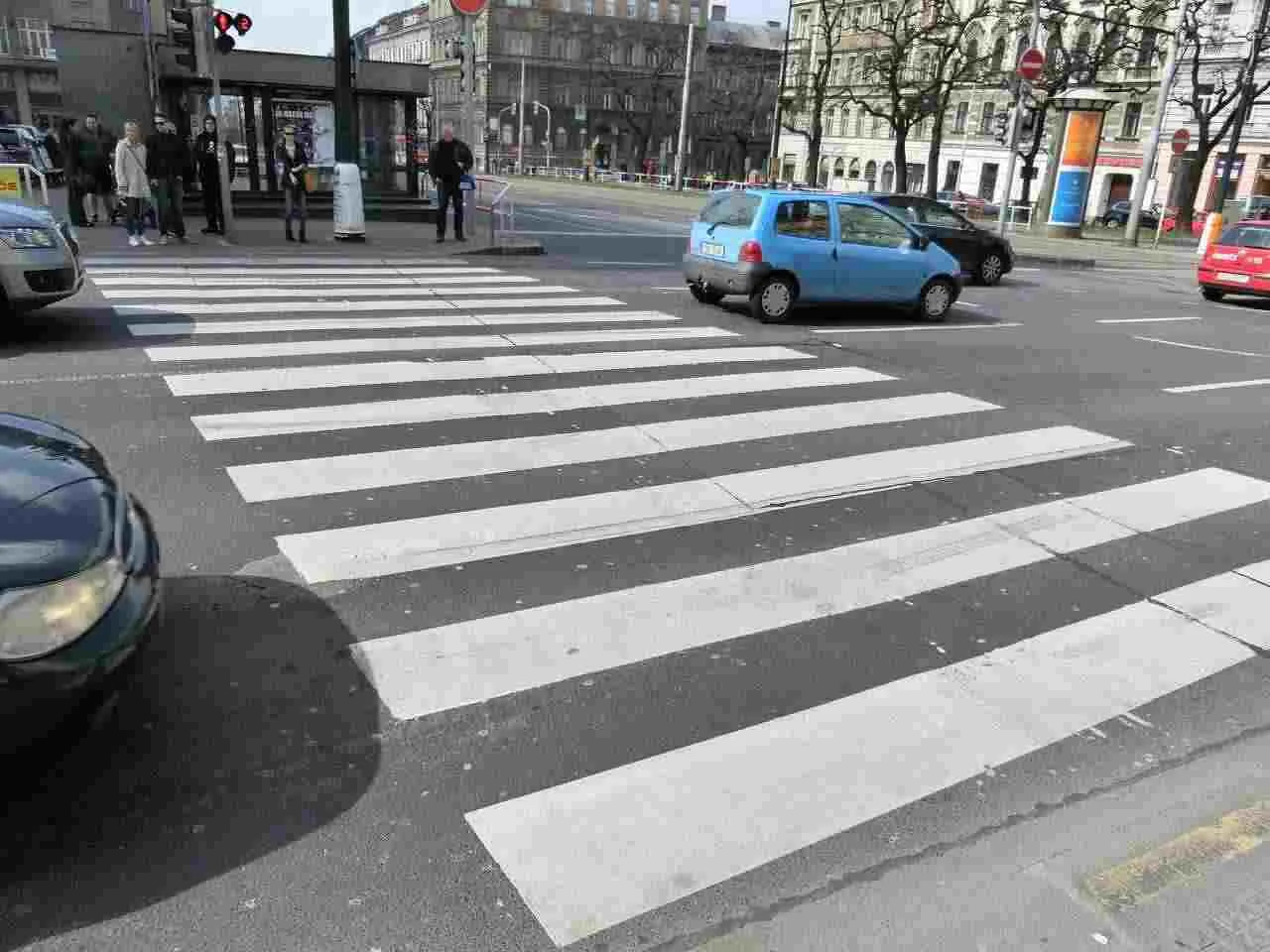
In general, drivers must yield to pedestrians who are lawfully within a crosswalk, especially when no traffic signal is directing traffic. Where signals are present, pedestrians are expected to follow walk and do not walk indications. The pedestrian rules in Title 56, Chapter 5 of the South Carolina Code address crosswalks, signals, and the duties of both drivers and pedestrians. These provisions are often referenced when insurers and courts evaluate a pedestrian accident.
Crossing Outside a Crosswalk
Pedestrians who cross the road outside a marked or unmarked crosswalk are generally expected to yield to vehicles. However, this does not give drivers permission to strike someone who is crossing elsewhere. Drivers still have a duty to exercise care to avoid hitting a pedestrian on the roadway. When both parties may have contributed to the crash, the question of shared fault becomes important.
How Fault Is Determined
Pedestrian accidents often involve conflicting accounts of what happened. Evidence and South Carolina’s approach to shared fault both shape how responsibility is assigned.
Comparative Negligence in South Carolina
South Carolina follows a modified comparative negligence rule. Under this approach, an injured person may still recover compensation as long as their share of fault is not greater than that of the party or parties they are seeking compensation from. Any recovery is typically reduced by the injured person’s percentage of fault. Insurers may argue that a pedestrian was distracted or crossed improperly, so a clear record of the facts can matter a great deal.
Evidence That Can Clarify What Happened
Useful evidence may include the police report, photographs of the scene, video from nearby businesses or traffic cameras, and statements from witnesses. Details such as lighting conditions, the location of the crosswalk, and the vehicle’s speed may all be relevant. Because video footage is often recorded over within days or weeks, acting quickly to preserve it can be important. Photos of the pedestrian’s clothing and any visible injuries may also help show how the crash occurred.
Steps That May Protect a Claim
The actions a pedestrian takes after a crash can affect both their health and their claim. The table below outlines several common steps and why each one can matter.
| Step | Why It Matters |
|---|---|
| Seek medical care promptly | Protects health and documents injuries |
| Report the crash to police | Creates an official record of the incident |
| Gather witness contact information | Preserves independent accounts of the crash |
| Keep records of expenses and missed work | Supports a claim for financial losses |
Getting Medical Care and Documentation
Some injuries, including head and internal injuries, may not cause obvious symptoms right away. A prompt medical evaluation protects your health and creates a record linking your injuries to the crash. Following the treatment plan and keeping copies of medical records can help show the extent of your injuries over time. Gaps in treatment are sometimes used by insurers to argue that injuries were not serious.
Being Careful with Insurance Communications
The driver’s insurer may contact you soon after the crash and ask for a recorded statement. Statements made early, before you understand your injuries, may be used to downplay your claim. Many injured people choose to speak with an attorney before giving detailed statements or signing any documents. Keeping a written log of every call with an insurer, including the date and the name of the representative, can also help avoid confusion later.
Compensation an Injured Pedestrian May Pursue
Pedestrians injured by negligent drivers may be able to seek compensation for a range of losses. The amount and type depend on the specific facts of each case.
Economic Losses
Economic damages may include medical bills, future treatment costs, lost wages, and reduced earning capacity if injuries affect the ability to work. Out-of-pocket expenses, such as transportation to appointments or mobility aids, may also be included. Keeping receipts and records can help document these losses. A simple folder or spreadsheet that tracks bills, pay stubs, and mileage to medical appointments may make this process easier.
Non-Economic Losses and Available Coverage
Non-economic damages may address pain, emotional distress, and reduced quality of life. Pedestrians may also be able to turn to their own auto insurance in some situations, such as when the at-fault driver lacks adequate coverage. According to the National Highway Traffic Safety Administration’s pedestrian safety resources, pedestrians are among the most vulnerable road users, which is one reason these claims often involve significant injuries.
Moving Forward After Being Hit by a Car
South Carolina law gives pedestrians important protections, but questions about right-of-way, shared fault, and insurance coverage can make these claims complex. Prompt medical care, careful documentation, and caution with insurers can all help protect your rights. At MBJ, we help injured pedestrians understand how state law applies to their situation and what options may be available. We know that recovering from these injuries can be a long process for the whole family. Our Anderson personal injury lawyers can review the facts of your crash, explain the evidence that may matter, and answer your questions. If you were hit by a car while walking, we encourage you to contact our office for a free consultation.