Signs of Nursing Home Abuse and Neglect to Watch for in South Carolina
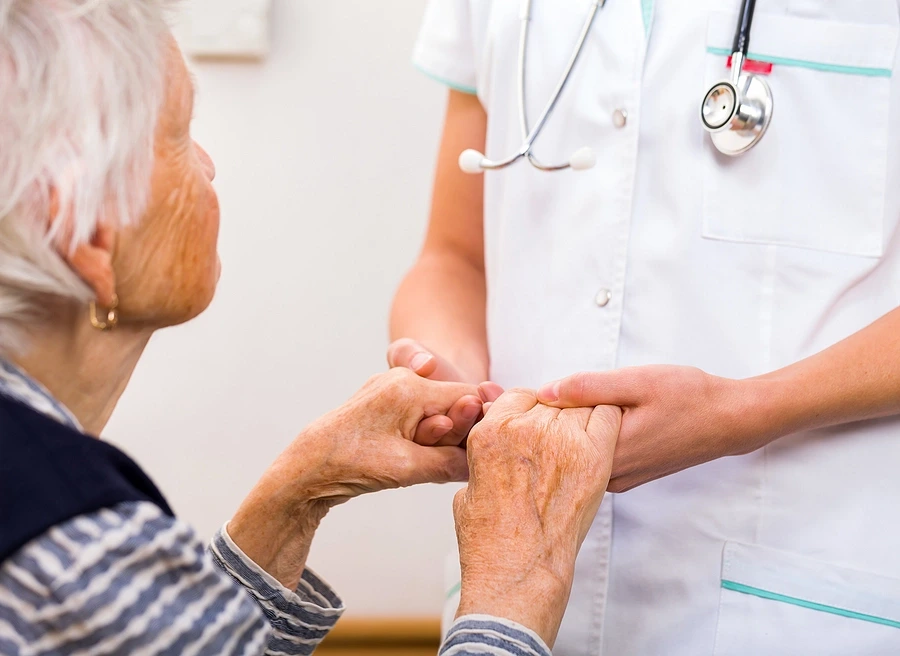
Placing a loved one in a nursing home is one of the most difficult decisions a family can face. Many families turn to these facilities with the expectation that their relatives will receive professional, compassionate care when they are no longer able to provide it themselves. Unfortunately, not all nursing homes maintain the high standards necessary to keep residents safe and healthy. Abuse and neglect can occur, often affecting those who are most vulnerable. By learning to recognize the warning signs, families can take action early, ensure their loved ones receive the care they deserve, and prevent further harm.
Physical Signs of Abuse
Physical abuse in nursing homes can take many forms. Residents may experience bruises, cuts, or burns that cannot be easily explained. Broken bones or sprains are also warning signs, especially if the injuries appear repeatedly. Staff members sometimes provide inconsistent explanations for these injuries, which should raise concerns.
Residents may also show signs of restraint. Marks on the wrists or ankles could indicate the use of physical restraints or inappropriate ties to beds or chairs. Improper use of restraints is dangerous and can lead to serious injury or death.
Emotional and Psychological Indicators
Abuse is not always visible. Emotional and psychological abuse can have long-term effects on residents. Look for sudden changes in behavior, such as withdrawal, anxiety, or depression. Residents who were once social and engaged may become isolated or fearful.
Verbal threats or humiliation from staff members can leave lasting emotional scars. If your loved one seems afraid to speak or avoids certain staff members, this could signal mistreatment.
Signs of Neglect
Neglect is the failure to provide proper care, which can be just as harmful as physical abuse. Malnutrition and dehydration are common signs of neglect. A resident who loses weight rapidly or shows signs of persistent thirst may not be receiving adequate meals or fluids.
Poor hygiene is another red flag. Residents who appear dirty, wear soiled clothing, or have untreated bedsores may not be receiving proper attention. Untreated medical conditions, such as infections or chronic illnesses, also indicate neglect.
Behavioral Changes to Watch For
Changes in a resident’s behavior often signal that something is wrong. Sudden agitation, aggression, or fearfulness may be responses to mistreatment. Residents who previously interacted comfortably with family may resist visits or become unusually quiet.
Some residents may try to hide injuries or avoid certain activities. They might also withdraw from meals or social events. Any significant shift in mood or behavior should be taken seriously.
Environmental Red Flags
The condition of the nursing home itself can indicate the quality of care. Unsafe or unsanitary conditions can put residents at risk. Overcrowded rooms, broken equipment, and unclean facilities may suggest neglect.
Pay attention to staffing levels as well. When staff are overworked or understaffed, residents may not receive the care they need. Consistent delays in response to calls for assistance are a warning sign.
Medical and Financial Indicators
Medical issues that are left untreated or improperly managed are common in neglect cases. Look for frequent infections, untreated injuries, or medication errors. Residents may also complain of pain that is ignored or inadequately treated.
Financial exploitation can also occur in nursing homes. Unauthorized charges, sudden changes in a resident’s finances, or missing belongings may indicate abuse. Families should monitor bills and bank accounts closely.
Steps to Take if You Suspect Abuse or Neglect
If you notice signs of abuse or neglect, it is important to act immediately. Document all observations, including photos of injuries, notes on behavioral changes, and records of neglected care.
Report your concerns to the nursing home administration first. If the situation does not improve or you suspect a cover-up, contact South Carolina’s Department of Social Services Adult Protective Services. Law enforcement may also need to be involved, depending on the severity of the abuse.
Consulting with an experienced personal injury lawyer can help protect your loved one’s rights. A lawyer can guide you through the legal process and help secure compensation for any harm caused by abuse or neglect.
Preventive Measures for Families
Choosing the right nursing home can reduce the risk of abuse or neglect. Visit facilities in person, ask detailed questions about staffing and care practices, and request references. Pay attention to how staff interact with residents and whether residents appear well-cared-for.
Stay involved after your loved one moves in. Regular visits, phone calls, and open communication with staff can help detect issues early. Encourage residents to speak up if something feels wrong, and build a support network of family and friends to monitor care.
Conclusion
Nursing home abuse and neglect are serious concerns in South Carolina. Residents are often vulnerable, and the consequences of mistreatment can be severe. Families who understand the warning signs can act quickly to protect their loved ones. Physical injuries, emotional changes, neglect, and unsafe conditions should never be ignored.
Documenting concerns, reporting suspicions, and consulting legal professionals are crucial steps in ensuring proper care. Being proactive and attentive can make a significant difference in the well-being of those entrusted to nursing homes.