Nursing Home Abuse and the Role of Staff Training in Preventing Injuries
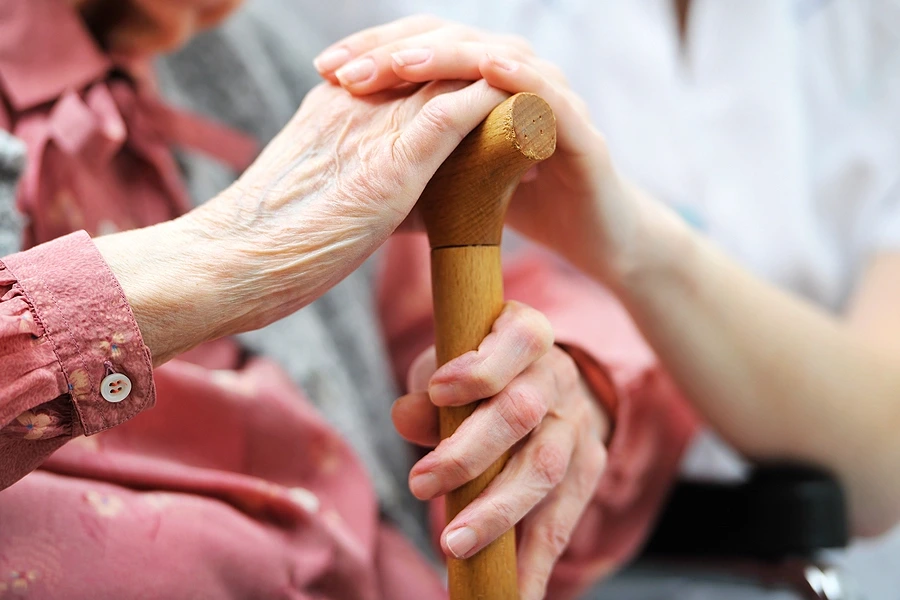
Nursing home abuse and neglect remain serious concerns across South Carolina. Residents of long-term care facilities are among the most vulnerable members of our communities. They often rely entirely on staff for their daily needs, including bathing, dressing, feeding, and mobility. When staff fail to provide appropriate care or act negligently, injuries can occur. Many of these injuries are preventable, and one of the most effective ways to reduce risk is through comprehensive staff training.
Understanding the connection between staff training and resident safety is crucial for families and advocates who want to ensure their loved ones are treated with dignity and respect. Poorly trained staff may unintentionally cause harm, while well-trained staff can prevent accidents and recognize signs of abuse before they escalate.
Common Types of Nursing Home Injuries
Injuries in nursing homes can range from minor to life-threatening. Some of the most common include:
- Falls: Falls are a leading cause of injury in nursing homes. Residents may fall due to uneven flooring, wet surfaces, or improper assistance during movement.
- Pressure sores: Residents who are immobile or confined to a bed or wheelchair are at risk for pressure ulcers. These injuries often indicate neglect if staff fail to reposition residents regularly.
- Medication errors: Improper administration of medication can lead to overdoses, underdoses, or dangerous side effects. Training is critical to ensure medications are given safely.
- Physical abuse: In some cases, untrained or overwhelmed staff may act aggressively toward residents. Recognizing signs of stress and knowing proper handling techniques can reduce the risk of abuse.
- Neglect-related injuries: Dehydration, malnutrition, and untreated infections often result from neglect. Staff training that emphasizes attentive care can prevent these outcomes.
Why Staff Training Matters
Staff training in nursing homes is more than a formality. It establishes a baseline of knowledge, skill, and awareness that directly impacts resident safety. Comprehensive training programs cover a variety of areas:
- Resident handling techniques: Proper methods for lifting, transferring, and supporting residents reduce the risk of falls and injuries.
- Medication administration: Staff learn correct dosages, timing, and documentation practices, minimizing medication errors.
- Recognizing signs of abuse or neglect: Staff are trained to identify physical and behavioral indicators that a resident may be mistreated or at risk.
- Emergency procedures: Knowing how to respond to medical emergencies or accidents can save lives.
- Communication skills: Effective communication ensures that residents’ needs are understood and addressed promptly.
When staff are confident in their abilities, they are less likely to make mistakes that result in harm. Facilities with ongoing training programs often see fewer incidents of injury and neglect compared to those with minimal training requirements.
Legal Requirements in South Carolina
South Carolina law mandates that nursing home staff receive training and meet specific qualifications before they can provide care. State regulations require facilities to provide orientation and ongoing education for staff members. These programs must address topics such as resident rights, emergency procedures, infection control, and abuse prevention.
Despite these requirements, violations still occur. Some facilities may provide inadequate training due to staffing shortages, budget constraints, or oversight failures. When injuries result from insufficient training, families may have legal grounds to pursue a personal injury claim. South Carolina law allows victims or their representatives to seek compensation for damages caused by negligence, including medical expenses, pain and suffering, and long-term care costs.
How Families Can Advocate for Safer Care
Families play a critical role in preventing nursing home injuries. Advocates can take steps to ensure that facilities provide proper training and maintain a safe environment:
- Ask about training programs: Inquire about how often staff receive training, the topics covered, and how competence is evaluated.
- Observe care routines: Watching how staff assist residents can reveal whether proper techniques are being used.
- Document concerns: Keep records of injuries, incidents, or patterns of neglect. Documentation strengthens legal claims if an injury occurs.
- Speak up: Report unsafe practices or suspected abuse to facility administrators or the South Carolina Department of Health and Environmental Control.
Families should also be aware of warning signs that staff may be undertrained or overworked. High turnover, frequent mistakes, and residents with unexplained injuries can indicate systemic issues that require intervention.
The Role of Ongoing Education and Certification
Training should not be a one-time event. The healthcare field evolves constantly, and nursing home staff must stay current on best practices. Continuing education ensures staff are familiar with new care techniques, safety protocols, and legal responsibilities. Certifications in specialized areas, such as dementia care or fall prevention, provide additional protection for residents and reinforce a facility’s commitment to quality care.
When Injuries Happen Despite Training
Even with proper training, accidents can still occur. Staff may make mistakes, or facilities may fail to enforce protocols consistently. When a resident is injured, it is essential to investigate the circumstances. Families should seek medical attention immediately and consult an attorney experienced in nursing home injury cases.
Legal action can hold facilities accountable and prevent future harm. A personal injury lawyer can help gather evidence, including medical records, training logs, and staff schedules, to determine whether negligence contributed to the injury. Compensation may cover medical costs, rehabilitation, emotional distress, and other damages associated with the injury.
Conclusion
Preventing nursing home injuries in South Carolina requires a combination of thorough staff training, vigilant oversight, and proactive advocacy by families. Staff who are properly trained in resident care, safety procedures, and abuse prevention are better equipped to provide a safe and supportive environment. Families should remain engaged, informed, and prepared to act if they suspect neglect or abuse.
While no training program can eliminate every risk, it significantly reduces the likelihood of injuries and ensures that residents are treated with the care and respect they deserve. Legal protections exist to hold negligent facilities accountable, but prevention through proper staff training remains the most effective way to keep South Carolina nursing home residents safe.