Injured on Someone Else’s Property? How Premises Liability Affects Your Case
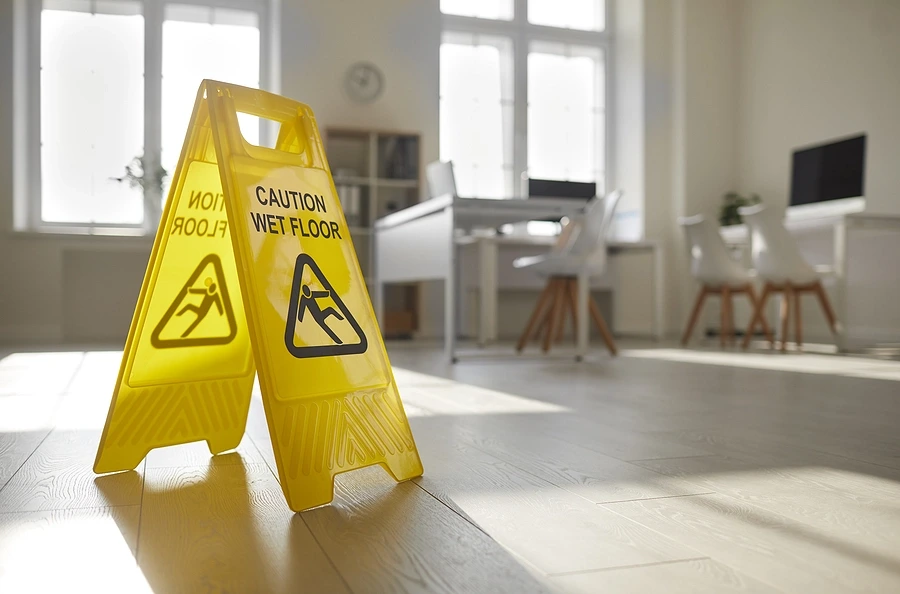
Getting hurt while on someone else’s property can be confusing. Whether it happens at a friend’s house, a local store, or a commercial building, you might not know your legal options. South Carolina law provides a framework for holding property owners accountable when their negligence causes injuries. Premises liability is the area of law that addresses these situations. Understanding how it works can help you make informed decisions after an accident.
What Premises Liability Means
Premises liability refers to the legal responsibility property owners have for maintaining safe conditions. Property owners must take reasonable steps to prevent accidents and injuries. If they fail to do so, they can be held liable for harm that occurs on their property. In South Carolina, this applies to both residential and commercial properties, though the rules may differ depending on who is injured and the circumstances.
Who Can Be Held Responsible
The person or entity responsible for a property depends on ownership and control. For example, the owner of a store is generally responsible for maintaining safe walkways and floors. A landlord may be liable if a tenant is injured due to unsafe stairs or inadequate lighting. In some cases, property managers or other parties who control the property may also share liability. Determining the responsible party is an essential step in building a premises liability case.
Categories of Property Visitors
South Carolina law distinguishes visitors into three categories: invitees, licensees, and trespassers. These categories affect the duty of care the property owner owes to the visitor.
- Invitees are individuals who enter the property for business purposes, such as customers in a store. Property owners owe invitees the highest level of care. They must regularly inspect the property and fix hazards.
- Licensees are people who enter for non-business purposes, like social guests. Owners must warn licensees of known dangers but are not required to inspect the property as thoroughly as for invitees.
- Trespassers are individuals who enter without permission. Property owners have the least responsibility toward trespassers, though they cannot intentionally harm them.
Understanding your status when the injury occurred can impact your ability to pursue compensation.
Common Causes of Premises Liability Injuries
Premises liability claims often arise from preventable hazards. Some of the most common causes include:
- Slippery or wet floors in stores or restaurants
- Broken stairs, handrails, or flooring
- Poor lighting or blocked walkways
- Unsecured rugs or loose carpet
- Neglected swimming pools or unsafe recreational areas
- Dog bites or attacks on private property
Each type of hazard requires the injured person to prove that the property owner failed to take reasonable steps to prevent it.
Proving a Premises Liability Claim in South Carolina
To succeed in a premises liability case, you must show that the property owner’s negligence caused your injury. South Carolina law requires four main elements:
- Ownership or control of the property – You must prove the defendant had responsibility for maintaining the property.
- Breach of duty – You need to show the owner failed to exercise reasonable care.
- Causation – You must establish that the breach directly led to your injury.
- Damages – You need evidence of actual harm, such as medical bills, lost wages, or pain and suffering.
Collecting evidence is critical. Photographs of the hazard, eyewitness accounts, medical records, and incident reports all strengthen your case.
Timelines and South Carolina Law
South Carolina has specific deadlines for filing personal injury claims, including premises liability cases. Generally, the statute of limitations is three years from the date of the injury. Waiting too long can prevent you from pursuing compensation. Consulting a lawyer promptly ensures your claim is properly filed and preserves critical evidence.
Defenses Property Owners May Use
Property owners may argue that the injury resulted from factors outside their control. Common defenses include:
- The visitor assumed the risk of injury
- The hazard was open and obvious, making the visitor responsible
- The injury was caused by the visitor’s own negligence
These defenses do not automatically bar a claim but can reduce compensation if proven. A skilled attorney can help anticipate and counter these arguments.
How a Lawyer Can Help
Premises liability cases can be complicated. Hiring a personal injury lawyer in South Carolina can provide significant advantages. A lawyer can:
- Investigate the property and identify hazards
- Collect evidence, including expert testimony if necessary
- Communicate with insurance companies to protect your rights
- Negotiate settlements or pursue litigation if needed
Having professional guidance ensures that you do not overlook key aspects of your case, increasing the likelihood of fair compensation.
Steps to Take After an Injury
If you are injured on someone else’s property, taking immediate action can strengthen your claim:
- Seek medical attention – Your health is the top priority. Documenting injuries also provides evidence for your case.
- Report the incident – Notify the property owner or manager and request a written record.
- Document the scene – Take photos or videos of the hazard and the surrounding area.
- Gather witnesses – Collect contact information from anyone who saw the accident.
- Keep records – Save medical bills, receipts, and communications with insurers.
Prompt action can make a meaningful difference in your ability to recover damages.
Understanding Compensation
In a successful premises liability claim, compensation may cover both economic and non-economic losses. Economic damages include medical bills, rehabilitation costs, and lost income. Non-economic damages cover pain and suffering, emotional distress, and loss of enjoyment of life. Each case is unique, and the amount of compensation depends on the severity of the injury, the circumstances of the accident, and evidence supporting the claim.
Conclusion
Injuries on someone else’s property can have long-lasting consequences. South Carolina premises liability law exists to protect visitors and hold property owners accountable when they fail to maintain safe conditions. Understanding your rights, collecting evidence, and working with a skilled attorney can help you navigate the legal process effectively. While no legal action can undo an injury, pursuing a claim ensures that you have the opportunity to recover damages and hold negligent parties responsible.