How to Prove Fault in a South Carolina Car Accident Case
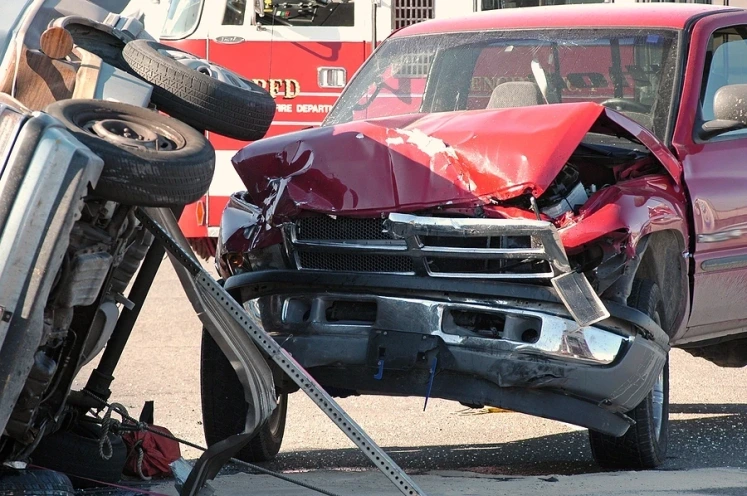
Being involved in a car accident can be overwhelming. Beyond the immediate physical injuries or property damage, victims often face the challenge of determining who is responsible. In South Carolina, proving fault is essential if you want to recover compensation for medical bills, lost wages, and other damages. Understanding the steps involved can make the process less confusing and increase your chances of a successful claim.
Understanding Negligence in Car Accidents
Most car accident cases in South Carolina rely on negligence to determine liability. Negligence occurs when a driver fails to act with reasonable care, and that failure directly causes harm to another person. Examples of negligent behavior include speeding, running a red light, distracted driving, or failing to yield.
South Carolina follows a modified comparative fault system. This means that if you are partially at fault for the accident, your compensation can be reduced by your percentage of fault. However, if you are found to be more than 50% responsible for the accident, you cannot recover any damages. This makes accurately proving the other driver’s fault even more important.
Collecting Evidence Immediately After the Accident
Evidence is the backbone of any car accident case. The sooner you gather it, the stronger your position will be. Key types of evidence include:
- Police Reports: A police report provides an official account of the accident. It can document who was involved, the sequence of events, and any citations issued. While not always conclusive, it carries significant weight in legal proceedings.
- Photographs and Videos: Take pictures of the vehicles, skid marks, road conditions, traffic signs, and any visible injuries. Video footage from dashcams or nearby security cameras can also provide a clear picture of the accident.
- Witness Statements: Bystanders who saw the crash can offer impartial accounts of what happened. Collect their names and contact information so your attorney can follow up.
- Medical Records: Prompt medical documentation of your injuries not only protects your health but also serves as proof that the accident caused harm.
- Vehicle Damage Reports: Keep repair estimates and records of damage. This can help demonstrate the severity of the collision and support your claim for property damages.
Working with Insurance Companies
Insurance companies play a major role in determining fault. After an accident, both your insurer and the other driver’s company will investigate. Be cautious during this process. Avoid giving recorded statements without consulting an attorney. Anything you say could be used to reduce your claim.
Document every interaction with the insurance adjuster and keep copies of all correspondence. A clear record can prevent disputes later.
The Role of Expert Testimony
In some cases, proving fault requires more than basic evidence. Accident reconstruction experts can analyze the scene, vehicle damage, and impact angles to determine how the crash occurred. Medical experts may testify about the extent of your injuries and whether they are consistent with the accident. These professionals provide credibility and can strengthen your case in court or settlement negotiations.
Demonstrating Negligence and Causation
To win a car accident case, you must show that the other driver’s negligence directly caused your injuries. This involves two key elements:
- Duty of Care: Every driver has a legal obligation to operate their vehicle safely. You must demonstrate that the other driver violated this duty.
- Causation and Damages: You must link the negligent action to your injuries or property damage. Medical records, bills, and repair estimates are vital here. If you can clearly show that the other driver’s behavior led to measurable harm, your claim is stronger.
Using South Carolina Traffic Laws
Traffic laws can be crucial in establishing fault. If the other driver ran a stop sign, exceeded the speed limit, or violated another law, these violations can serve as clear evidence of negligence. Your attorney will review the accident details alongside local traffic laws to build a compelling argument.
Documenting Comparative Fault
Because South Carolina uses modified comparative fault, it’s important to address your own role in the accident. Keep detailed notes about your actions, the traffic conditions, and other contributing factors. An honest and thorough record can help your attorney reduce the risk of being unfairly blamed and ensure your compensation is calculated accurately.
The Importance of Legal Guidance
Proving fault in a car accident case can be complicated. Insurance companies may attempt to minimize payouts or shift blame. An experienced South Carolina personal injury lawyer can review evidence, interview witnesses, consult experts, and negotiate with insurers on your behalf. Having professional support increases the likelihood that your case will be handled properly and that you will receive fair compensation.
Next Steps After an Accident
If you are involved in a car accident, take the following actions:
- Ensure everyone is safe and call emergency services if needed.
- Gather evidence at the scene, including photos and witness contacts.
- Seek medical attention promptly.
- Report the accident to your insurance company but avoid providing detailed statements without legal guidance.
- Contact a South Carolina personal injury attorney as soon as possible.
Taking these steps helps protect your rights and establishes a strong foundation for proving fault. Every detail matters, from the damage to the vehicles to the timing of your injuries.
Conclusion
Establishing responsibility in a South Carolina car accident case requires careful documentation, an understanding of local traffic laws, and a clear demonstration of negligence and causation. Collecting evidence promptly, consulting experts, and working with an attorney can make a significant difference in the outcome of your claim. While the process may seem complex, taking the right steps early increases your chances of recovering compensation for injuries and damages. Protecting your rights starts with being informed and prepared.