How to File a Nursing Home Abuse Claim in South Carolina
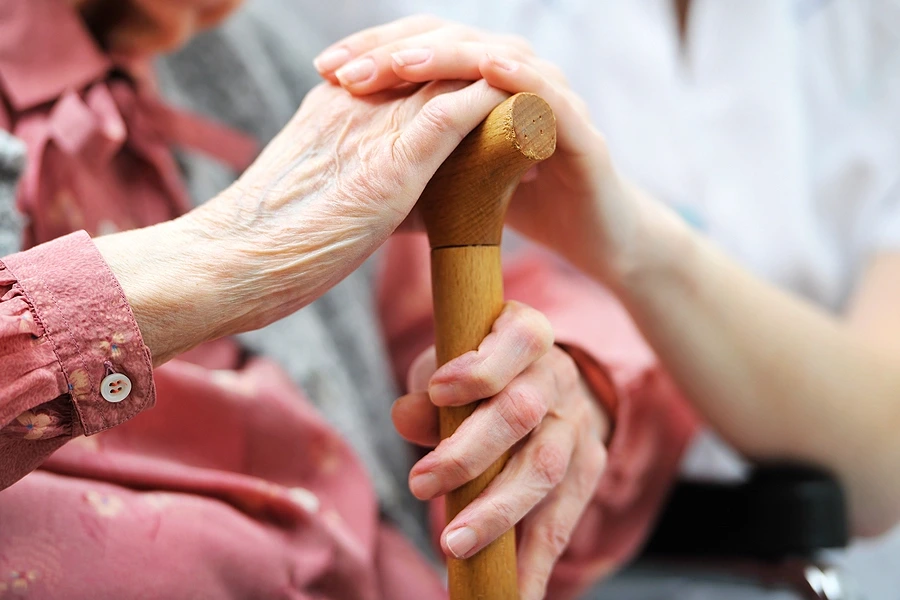
Nursing homes are meant to provide care and safety for elderly residents. Unfortunately, abuse and neglect sometimes happen in these facilities. If you suspect that a loved one has been harmed while in a nursing home in South Carolina, it’s important to understand your rights and the steps you can take to hold the facility accountable. Filing a nursing home abuse claim can be a complex process, but knowing what to expect can make it more manageable.
Recognizing Signs of Nursing Home Abuse
Before you can file a claim, you need to identify whether abuse or neglect has occurred. Nursing home abuse can take many forms, including physical abuse, emotional abuse, sexual abuse, financial exploitation, or neglect. Signs to watch for include unexplained injuries, sudden changes in behavior, weight loss, poor hygiene, and untreated medical conditions. Emotional or verbal abuse may appear as withdrawal, fear of staff, or unusual anxiety.
Documentation is critical. Take photos of injuries, keep copies of medical records, and write down any incidents, including dates, times, and the staff involved. Witness statements from other residents, family members, or staff can also be valuable.
Understanding Your Legal Options in South Carolina
South Carolina law provides avenues for holding nursing homes accountable. Nursing home abuse claims can be pursued under personal injury or wrongful death laws, depending on the circumstances. Negligence is often the central issue, meaning the facility failed to provide reasonable care, resulting in harm.
It’s important to know that South Carolina law limits some claims against certain facilities or government-run institutions. Time limits, called statutes of limitations, usually require action within three years of the injury or death. Filing too late can prevent you from pursuing justice, so early consultation with a lawyer is essential.
Reporting Abuse to the Right Authorities
Before or while filing a legal claim, you should report suspected abuse. In South Carolina, the Department of Social Services (DSS) oversees adult protective services. They have a hotline where abuse or neglect can be reported. Nursing homes are also regulated by the South Carolina Department of Health and Human Services (SCDHHS).
Reports to these agencies may prompt investigations, which can provide important evidence for a legal claim. Keep records of all reports and communications, as these can strengthen your case.
Gathering Evidence for Your Claim
A successful nursing home abuse claim relies heavily on evidence. Start by collecting medical records, staff logs, incident reports, photographs, and any correspondence with the facility. Witness statements from employees, other residents, or family members can also be crucial.
Medical experts may be necessary to testify about injuries and whether they were caused by negligence. Their evaluations can help establish a clear link between the nursing home’s actions or inactions and the harm suffered.
Working with a Nursing Home Abuse Lawyer
Nursing home abuse claims are often complex. Facilities have legal teams and insurance companies prepared to defend against claims. An experienced personal injury lawyer in South Carolina can guide you through the process, handle communications with the facility, and help gather necessary evidence.
Your lawyer can also explain the types of damages you may recover, which can include medical expenses, pain and suffering, emotional distress, and in some cases, punitive damages meant to punish particularly egregious conduct.
Filing the Claim and Pursuing Legal Action
Once your evidence is gathered and a lawyer is on board, the next step is filing a formal claim. This usually begins with submitting a complaint to the appropriate court. The complaint details the abuse or neglect, identifies the parties involved, and outlines the damages being sought.
After the claim is filed, the discovery phase begins. During discovery, both sides exchange information, documents, and expert reports. Depositions may be conducted to gather sworn testimony. This process can take months but is critical for building a strong case.
Settlement Negotiations and Trial
Many nursing home abuse cases are resolved through settlement before going to trial. Insurance companies often prefer to settle rather than face a lengthy trial. Your lawyer can negotiate on your behalf to ensure any settlement fairly reflects the damages suffered.
If a settlement cannot be reached, the case may go to trial. Your lawyer will present evidence, call witnesses, and argue your case before a judge or jury. Trials can be stressful, but they provide an opportunity to hold the facility fully accountable.
Protecting Your Loved One Moving Forward
While pursuing a legal claim, it’s also important to ensure your loved one’s immediate safety. If abuse or neglect is ongoing, you may need to consider transferring them to a safer facility. Family members and caregivers can play a vital role in monitoring care, maintaining records, and advocating for residents’ rights.
Conclusion
Filing a nursing home abuse claim in South Carolina is a serious step to protect your loved one and prevent future harm. Recognizing the signs of abuse, documenting evidence, reporting incidents, and consulting with a lawyer are all crucial parts of the process. While the legal journey can be challenging, taking action can help secure justice and hold negligent facilities accountable. Families should never hesitate to pursue the protection and care that every resident deserves.