How South Carolina’s Urban vs. Rural Roads Affect Bicycle Safety
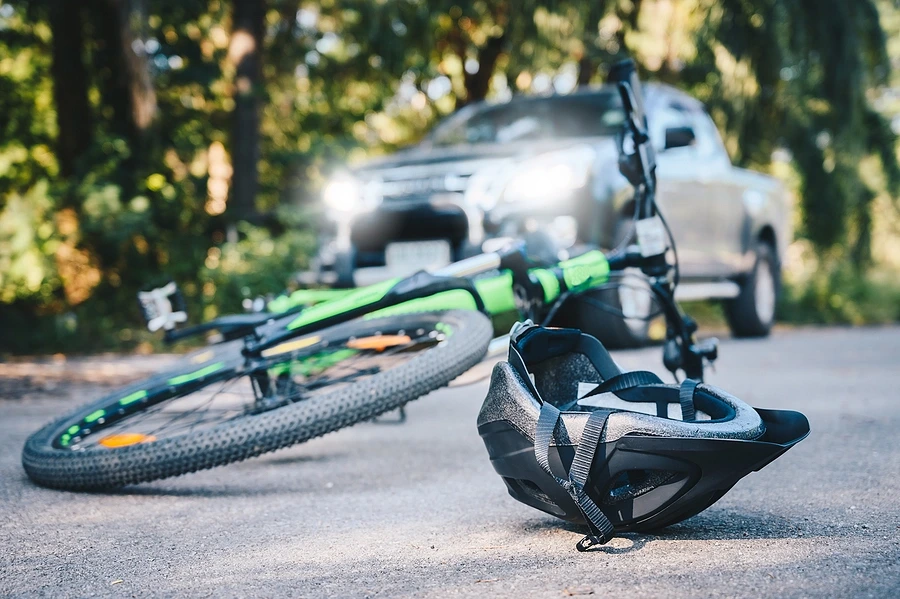
Bicycling in South Carolina can be rewarding, but it comes with risks that vary depending on the type of road you ride. Whether you are commuting in the city or enjoying a rural route, the environment significantly affects your safety. Understanding how urban and rural roads differ can help cyclists make safer choices and prepare for potential accidents.
Differences Between Urban and Rural Roads
Urban roads are usually busier, with more vehicles, traffic signals, and intersections. Cyclists in cities often deal with cars pulling in and out of parking spaces, pedestrians crossing streets, and crowded bike lanes. While speeds are generally lower, the high density of vehicles increases the chance of collisions, especially at intersections.
Rural roads present a different set of challenges. These routes often have fewer cars and less congestion, but vehicles tend to travel at higher speeds. Should an accident occur, the impact is likely to be more severe. Rural roads may also lack sidewalks, shoulders, or bike lanes, forcing cyclists to share narrow lanes with fast-moving traffic. Visibility can be an issue, particularly at night or around curves.
Traffic Volume and Behavior
Traffic behavior plays a crucial role in bicycle safety. In urban areas, drivers may be more accustomed to sharing the road with cyclists due to higher density and more frequent interactions. However, distractions like phones or congestion can still result in accidents. Cyclists should be aware of turning vehicles, double-parked cars, and frequent stops that can create hazards.
On rural roads, drivers may be less vigilant for bicycles. Because cyclists are less common in these areas, some motorists may not anticipate encountering them, increasing the risk of high-speed collisions. The lack of streetlights and wide open spaces can create additional dangers, especially in early morning or evening hours.
Road Design and Infrastructure
The design of the road itself has a direct impact on cyclist safety. Urban streets often include bike lanes, traffic calming measures, and marked crossings. These features provide a level of protection and guide cyclists on where to ride. However, potholes, construction zones, and poorly maintained lanes can still create risks.
Rural roads tend to be less maintained and rarely include dedicated cycling infrastructure. Narrow shoulders, gravel edges, and uneven pavement force cyclists closer to traffic. Drivers navigating curves at high speeds may have less time to react to a cyclist, which increases the severity of accidents. Planning a rural ride requires extra caution and awareness of road conditions.
Environmental Factors
Weather and lighting affect safety on all roads, but they can be more dangerous in rural settings. Rain can make roads slick and reduce traction, while fog or darkness can drastically reduce visibility. Urban areas often have streetlights, signage, and reflective pavement markings that improve visibility. Rural roads may not have these features, making it easier for accidents to go unnoticed until it’s too late.
Common Types of Bicycle Accidents
Accidents on urban roads often involve right-turn collisions, dooring incidents (when a parked car opens a door into a cyclist), and crashes at intersections. Urban cyclists may also experience sideswipe accidents or collisions with delivery vehicles.
On rural roads, the most frequent incidents involve high-speed collisions with vehicles passing too closely. Lane departure accidents are common when drivers fail to maintain control on curves or uneven pavement. Because of the higher speeds, injuries in rural accidents tend to be more severe.
Preventing Accidents and Staying Safe
Bicyclists can take steps to reduce risk on both urban and rural roads. Wearing a helmet and high-visibility clothing is essential. Urban cyclists should use hand signals, follow traffic laws, and remain alert for pedestrians and vehicles. Utilizing bike lanes whenever possible can also reduce exposure to moving vehicles.
Rural cyclists should plan rides carefully, stick to well-known routes, and carry lights or reflective gear. Riding against traffic on narrow roads is not recommended; instead, cyclists should ride with traffic and stay as far to the right as safely possible. Awareness of road conditions, weather, and visibility can make the difference between a safe ride and an accident.
What to Do After a Bicycle Accident
If an accident occurs, seeking medical attention should be the first priority, regardless of the perceived severity. Even minor injuries can worsen over time. Documenting the accident is crucial, especially for potential legal claims. Take photos of the scene, gather contact information from witnesses, and obtain a copy of the police report if one is filed.
Legal guidance from an experienced personal injury attorney can help cyclists navigate the complexities of insurance claims and liability. In South Carolina, determining fault can depend on traffic laws, road conditions, and driver behavior. Whether the accident occurred in an urban or rural area, having professional support ensures that victims receive fair consideration for medical bills, lost wages, and other damages.
Understanding Liability in Different Settings
Urban and rural accidents may involve different liability challenges. In cities, determining fault often includes analyzing traffic signals, signage, and whether vehicles violated bicycle right-of-way laws. In rural settings, the focus may shift to driver speed, visibility, and road maintenance. Understanding how these factors influence liability helps cyclists protect their rights.
Conclusion
Cycling in South Carolina offers both urban convenience and scenic rural routes, but each setting brings unique safety considerations. Urban roads require constant attention to traffic, intersections, and pedestrians, while rural roads demand awareness of high speeds, narrow lanes, and limited infrastructure.
Being prepared, using protective gear, and understanding road risks can significantly improve safety. If an accident happens, knowing the steps to take and seeking legal support is essential. Awareness and preparation are the best defenses for cyclists navigating the diverse roads of South Carolina.