How Distracted Driving Contributes to Motorcycle Accidents in South Carolina
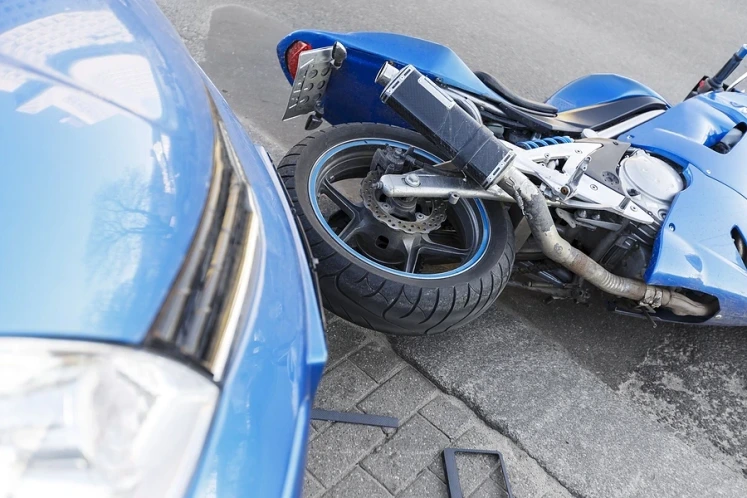
Motorcyclists depend on other drivers seeing them, judging their speed correctly, and giving them room on the road. When a driver’s attention drifts to a phone, a passenger, or a navigation screen, those basic safeguards can disappear in an instant. Distracted driving is a serious hazard for everyone, but riders face particular risk because a motorcycle offers little physical protection in a collision. For riders hurt in these crashes, understanding how distraction contributes to motorcycle accidents can help when working with an attorney familiar with motorcycle accident claims in Anderson. This article explains the main types of driver distraction, why motorcycles are especially vulnerable, the crash patterns distraction tends to cause, and how distraction may be proven in a South Carolina injury claim.
What Counts as Distracted Driving
Distraction is broader than many people realize. It includes anything that takes a driver’s attention away from the task of driving.
Visual, Manual, and Cognitive Distractions
Safety researchers often describe three types of distraction. Visual distractions take a driver’s eyes off the road, manual distractions take their hands off the wheel, and cognitive distractions take their mind off driving. The National Highway Traffic Safety Administration’s distracted driving resources describe texting as especially dangerous because it can involve all three types at once. Even a few seconds of inattention at normal speeds may mean traveling a considerable distance without looking at the road.
Common Sources of Distraction
Phones are the most familiar source, whether a driver is texting, scrolling, or adjusting music. Other distractions include eating, talking with passengers, programming navigation systems, and adjusting in-vehicle screens. Daydreaming or fatigue can also pull a driver’s focus away from the road. Any of these can delay a driver’s reaction to a motorcycle that is already difficult to notice. Distraction can also affect how a driver judges following distance, which matters when a rider slows to turn or navigate traffic.
Why Motorcycles Are Especially at Risk
Distraction affects all road users, but riders face added dangers. The size and profile of a motorcycle make it easier for an inattentive driver to miss.
Visibility and Perception Challenges
A motorcycle takes up much less space in a driver’s field of view than a car or truck. Drivers who are glancing between the road and a screen may not register a motorcycle at all, or they may misjudge its speed and distance. This is one reason riders frequently hear drivers say they never saw the motorcycle. Distraction can make an already difficult perception task even harder.
Less Margin for Error
Riders have far less physical protection than occupants of enclosed vehicles. The National Highway Traffic Safety Administration’s motorcycle safety information notes that motorcyclists are much more likely than passenger car occupants to be seriously hurt in a crash. A brief lapse that might cause a minor fender bender between two cars can have far more severe consequences for a rider.
Crash Patterns Linked to Distraction
Certain types of collisions are commonly associated with inattentive drivers. The table below outlines several patterns and how distraction may contribute to each.
| Crash Type | How Distraction May Contribute |
|---|---|
| Left-turn crashes | Driver turns across the rider’s path without noticing the motorcycle |
| Rear-end collisions | Driver fails to notice a rider slowing or stopped in traffic |
| Lane-change crashes | Driver merges without checking mirrors or blind spots |
| Intersection crashes | Driver misses a signal or stop sign while looking away |
Left-Turn and Intersection Collisions
Intersections require drivers to judge gaps in oncoming traffic. A distracted driver turning left may glance up, fail to notice an approaching motorcycle, and turn directly into the rider’s path. Similar problems can occur when drivers roll through stop signs or miss changing signals. These crashes are among the most common scenarios in motorcycle injury claims.
Rear-End and Lane-Change Crashes
In slowing or stopped traffic, a distracted driver may not notice that a motorcycle ahead has stopped. On multilane roads and highways, drivers who merge without checking their mirrors can sideswipe a rider in an adjacent lane. Because motorcycles can be hidden in blind spots, careful mirror and shoulder checks are especially important for drivers. A rider who is struck from behind may also be pushed into other traffic, which can compound the harm.
Proving Distraction in a South Carolina Claim
Drivers rarely admit to being distracted. Building a claim often depends on gathering evidence that shows what the driver was doing before the crash.
Types of Evidence That May Help
Evidence may include witness statements, video from nearby cameras, the police report, and the driver’s own statements at the scene. In some cases, phone records may be requested through the legal process to show whether a device was in use at the time of the crash. Vehicle data and the physical evidence at the scene may also help accident reconstruction professionals explain how the collision unfolded.
How Fault Affects Compensation
South Carolina follows a modified comparative negligence rule, so an injured rider’s recovery may be reduced if they are found partly at fault. Insurers sometimes try to shift blame onto riders by suggesting they were speeding or riding unpredictably. Clear evidence of driver distraction can help counter these arguments and keep the focus on what caused the crash. Photos of the rider’s lights, gear, and lane position may also be useful. Acting quickly to preserve this evidence may be important, since some records are kept only for limited periods.
Protecting Your Rights After a Crash Caused by Distraction
Distracted driving creates serious risks for motorcyclists, who have less protection and are harder for inattentive drivers to see. Understanding how distraction leads to left-turn, rear-end, and lane-change crashes can help riders recognize what may have happened and what evidence may matter. At MBJ, we work with injured riders to investigate crashes, request relevant records, and present a clear account of how the collision occurred. Our team of Anderson motorcycle accident attorneys understands the challenges riders often face with insurers. If you were hurt by a distracted driver, we invite you to contact our office for a free consultation about your options.