How Social Media Can Hurt Your Motorcycle Accident Case in South Carolina
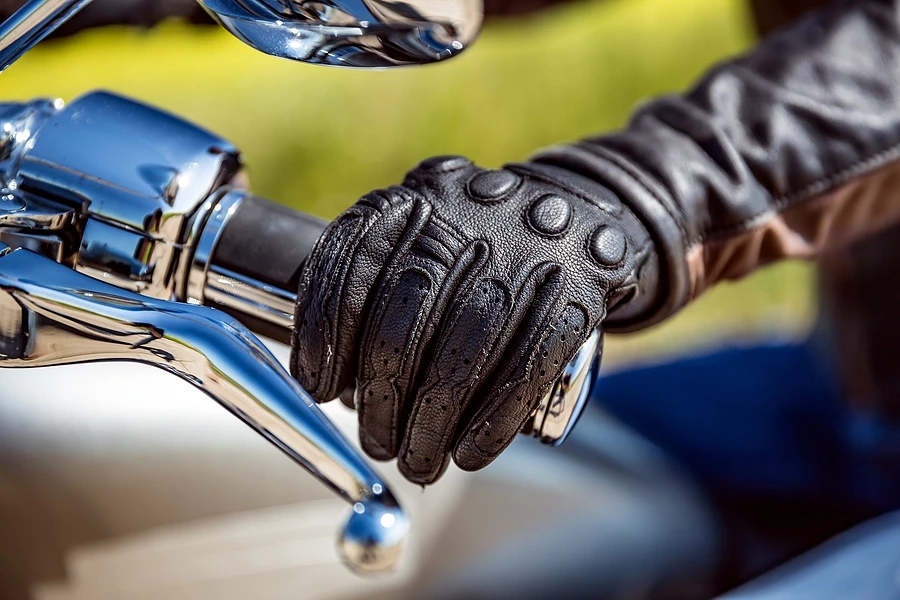
After a motorcycle crash, many riders turn to social media to update friends and family, share photos of their bike, or thank people for their support. These posts may feel harmless, but they can become part of the evidence in an injury claim. Insurance companies and defense attorneys often review claimants’ online activity, looking for anything that might suggest injuries are less serious than claimed or that the rider was responsible for the crash. Motorcyclists may face additional scrutiny because some insurers and jurors already hold assumptions about riders. A single photo or offhand comment, taken out of context, can create doubt about an otherwise strong claim. Understanding how social media can affect a case may help South Carolina riders protect their rights while they recover. Injured riders may also want to learn more about working with a South Carolina motorcycle accident lawyer.
Why Insurers Look at Social Media
Social media accounts can offer insurers a window into a person’s daily life. That information may be used to challenge different parts of a claim.
Questioning the Severity of Injuries
Photos of a rider smiling at a family gathering, attending a game, or doing yard work may be presented as evidence that injuries are not as serious as claimed. The images may not show the pain the person felt that day or the rest they needed afterward. Even so, insurers may use them to argue for a lower settlement. Posts about returning to the gym or taking a trip can raise similar questions. Context is often lost online, which is why a single image can carry more weight than it deserves.
Challenging How the Crash Happened
Comments about the crash itself can also be used to dispute fault. A rider who writes that they did not see the car coming or were running late may unintentionally give the insurer material to argue that the rider was distracted or speeding. Under South Carolina’s modified comparative negligence rule, any fault assigned to the rider may reduce compensation, and being found more than 50 percent at fault generally prevents recovery. Even casual statements can become part of that analysis.
Revisiting Past Posts
Insurers may also look at older posts. Photos of fast riding, stunts, or group rides may be used to suggest a pattern of risky behavior, even when those images have nothing to do with the crash in question. Riders may be surprised by how far back an insurer’s review can go. Being aware of what is already publicly visible can help riders and their attorneys prepare for these arguments.
Common Social Media Mistakes After a Crash
Many of the problems social media creates stem from ordinary, well-intentioned behavior. Recognizing these patterns can help riders avoid them.
Sharing Updates About Recovery
Posting that you are feeling better, even on a good day, can be used to argue that you recovered quickly. Recovery from motorcycle injuries is rarely a straight line, and a positive update one week may be followed by setbacks the next. Insurers may focus on the good days while overlooking the harder ones. Medical records and consistent treatment usually provide a more accurate picture of recovery than a social media update.
Posting Photos of the Motorcycle or Scene
Photos of the damaged motorcycle or crash scene can be valuable evidence, but sharing them publicly may invite comments and speculation from others. Friends may post opinions about what happened, and those comments can become part of the record as well. Keeping these photos for the claim, rather than posting them, may be the safer approach. Sharing them directly with your attorney keeps the evidence available without exposing it to public commentary.
Tags, Check-Ins, and Posts by Others
Even riders who stop posting may appear in photos shared by friends or family. Location check-ins and tags can place a person at an event, such as a concert or bike rally, which an insurer may use to question claimed limitations. Asking loved ones not to tag or post about you while your claim is pending can help reduce this risk. It may also help to review tagging settings so that new tags require your approval before they appear on your profile.
Protecting Your Claim Online
Riders do not necessarily need to disappear from the internet, but thoughtful steps can reduce the chance that social media harms a claim.
Pausing or Limiting Activity
Many people choose to stop posting or limit their activity while their claim is active. Reviewing privacy settings may help, but private accounts are not always protected from discovery during a lawsuit. It is generally safest to assume that anything posted could eventually be seen by the other side. Declining new friend or follower requests from people you do not know can also reduce exposure during a pending claim.
Why Deleting Posts Can Backfire
It may be tempting to delete old posts after a crash, but removing content that may be relevant to a claim can create legal problems. Courts may view the destruction of evidence unfavorably, and it can damage a person’s credibility. Speaking with an attorney before deleting or changing any content is a sensible step.
Avoiding Messages About the Case
Private messages and direct conversations can also become evidence. Discussing the crash, injuries, or settlement talks through messaging apps may lead to statements being taken out of context. Keeping conversations about the case limited to your attorney can help protect sensitive information. Even emails and texts to friends may be requested during discovery if they relate to the crash or injuries.
The table below summarizes common social media activity, how an insurer may use it, and a safer approach while a claim is pending.
| Online Activity | How an Insurer May Use It | Safer Approach |
| Photos at gatherings, games, or doing chores | To argue injuries are less serious than claimed | Avoid posting new photos while the claim is pending |
| Comments about how the crash happened | To argue the rider was distracted, speeding, or at fault | Discuss the crash only with your attorney |
| Older posts of fast riding, stunts, or group rides | To suggest a pattern of risky behavior | Review what is publicly visible with your attorney |
| Recovery updates on good days | To argue the rider recovered quickly | Let medical records document your recovery |
| Public photos of the motorcycle or scene | To invite comments and speculation that become part of the record | Share these photos directly with your attorney instead |
| Tags and check-ins by friends or family | To place the rider at events and question claimed limitations | Ask loved ones not to tag you, and require approval for new tags |
| Deleting posts after the crash | To raise concerns about destruction of evidence and credibility | Speak with an attorney before deleting or changing anything |
| Private messages about the case | To take statements out of context through discovery | Keep case discussions limited to your attorney |
Staying Focused on Your Recovery
Social media can be a source of comfort after a crash, but it can also create unexpected challenges for a motorcycle accident claim. We understand how natural it is to want to share your experience with the people who care about you, especially during a difficult recovery. As South Carolina motorcycle accident attorneys, our team at MBJ Car & Motorcycle Accident Lawyers helps injured riders understand how their actions after a crash may affect their claims. If you were hurt in a motorcycle accident, we encourage you to reach out to us to discuss your situation and learn how to protect your rights moving forward.