South Carolina Truck Accident Claims: How They Differ from Car Accident Cases
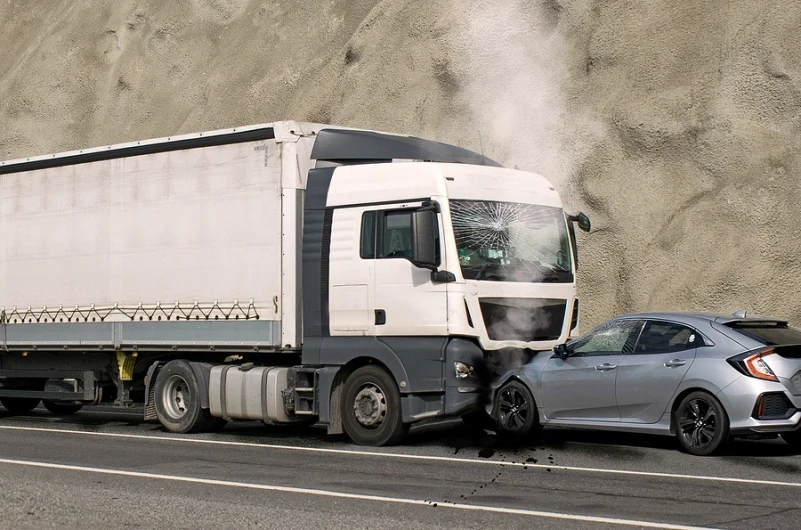
A collision with a commercial truck can be far more devastating than a typical crash between two passenger vehicles. Tractor-trailers and other large trucks can weigh many times more than a car, and the force of impact often leads to severe injuries, extensive property damage, and long recoveries. Beyond the physical toll, truck accident claims also tend to be more complicated from a legal standpoint. They may involve federal safety regulations, multiple companies, larger insurance policies, and evidence that must be preserved quickly. Many people who have handled a car accident claim before are surprised by how different a truck case can be. Understanding these differences can help South Carolina residents know what to expect and why careful attention matters early in the process. Those who have been hurt may also want to learn more about working with a South Carolina truck accident lawyer.
More Parties May Share Responsibility
In most car accident cases, the claim focuses on one or two drivers and their insurers. Truck accident claims often involve a wider circle of potentially responsible parties.
The Driver and the Trucking Company
When a truck driver causes a crash while working, the trucking company may be held responsible for the driver’s actions under the principle that employers can be liable for employees acting within the scope of their jobs. The company may also face direct claims if it hired an unqualified driver, failed to train or supervise drivers properly, or pressured drivers to meet unrealistic schedules. Questions about whether the driver was an employee or an independent contractor can affect how responsibility is assigned. These relationships are often defined in contracts that must be reviewed carefully.
Other Companies Involved in the Trip
Several other businesses may play a role in a truck’s operation. A shipper or loading company may be responsible if improperly secured or overloaded cargo contributed to the crash. A maintenance provider may share fault if faulty brakes or tires were involved, and a manufacturer may be responsible if a defective part failed. Identifying each party early can help ensure that all potential sources of compensation are considered. Under South Carolina law, how damages are divided among multiple defendants can depend on each party’s percentage of fault.
Federal and State Safety Regulations
Commercial trucking is heavily regulated, and these rules can become important evidence in a claim. Car accident cases rarely involve this level of regulatory detail.
Hours-of-Service and Driver Qualification Rules
The Federal Motor Carrier Safety Administration sets rules that limit how long many commercial drivers can drive and work before taking required breaks. These limits are designed to reduce fatigue, which is a known factor in serious truck crashes. Federal rules also require motor carriers to verify that drivers are properly licensed, medically qualified, and subject to drug and alcohol testing. Evidence that a driver exceeded driving limits or was not properly qualified can strengthen a claim.
Maintenance and Cargo Requirements
Trucking companies are also generally required to inspect, repair, and maintain their vehicles and to keep records of that work. Cargo must be properly loaded and secured to prevent shifting or spills. Violations of these requirements may suggest negligence and can help explain why a crash occurred. Records of inspections, repairs, and loading procedures are often key pieces of evidence.
Evidence Is More Complex and Time-Sensitive
Truck accident investigations often rely on specialized evidence that does not exist in most car accidents. Some of this evidence can be lost if it is not preserved quickly.
Electronic Data and Company Records
Many commercial trucks are equipped with electronic logging devices that track driving time and event data recorders that capture speed, braking, and other information before a crash. Trucking companies may also have dispatch records, GPS data, driver communications, and qualification files. Because some records may be retained only for limited periods, sending a formal request to preserve evidence soon after a crash is often an important step. Without that request, critical information may be overwritten or discarded.
Accident Reconstruction
Because truck crashes can involve complex dynamics, such as jackknifing, rollovers, or underride collisions, accident reconstruction specialists may be needed to explain what happened. These professionals analyze skid marks, vehicle damage, electronic data, and scene measurements to determine speed, braking, and fault. Their findings can be especially valuable when the trucking company disputes how the crash occurred. Photographs, witness statements, and law enforcement reports from the scene can also help support the reconstruction.
Insurance and Damages Often Look Different
The financial side of a truck accident claim can differ significantly from a car accident case. Both the available coverage and the potential damages are often larger.
Higher Policy Limits and Aggressive Defense
Federal law requires many interstate motor carriers to carry liability coverage well above the minimums that apply to passenger vehicles in South Carolina. While larger policies may provide more room to address serious injuries, they also mean insurers and trucking companies often respond quickly with investigators and attorneys. Injured people may be contacted soon after a crash and asked for recorded statements. Being cautious in these early conversations can help protect a claim.
Severe Injuries and Long-Term Losses
Truck accidents frequently cause traumatic brain injuries, spinal cord damage, multiple fractures, and other serious harm. As a result, claims may involve significant future medical expenses, lost earning capacity, and long-term care needs. Documenting these losses may require input from medical providers and other professionals. South Carolina generally allows three years to file a personal injury lawsuit, though different deadlines can apply in certain situations, including claims involving government entities.
Getting Guidance After a Truck Accident
Truck accident claims involve more parties, more regulations, and more complex evidence than most car accident cases, which is why understanding the differences matters. We know how overwhelming it can feel to recover from serious injuries while a trucking company and its insurer begin building their defense. As South Carolina truck accident attorneys, our team at MBJ Car & Motorcycle Accident Lawyers helps injured people understand their rights and the steps that may protect their claims. If you were hurt in a crash involving a commercial truck, we encourage you to contact us to discuss your situation and the options that may be available to you.