The Most Dangerous Intersections in South Carolina and What to Do If You’re Injured There
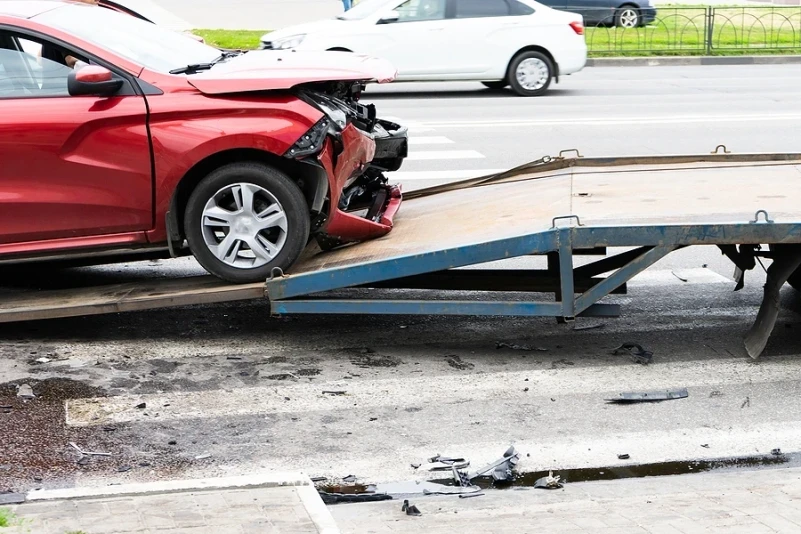
Intersections are among the most common locations for serious traffic accidents. Drivers approaching from different directions must make split-second decisions while watching traffic signals, pedestrians, cyclists, and other vehicles. A single mistake can result in a collision that leaves victims facing painful injuries, expensive medical bills, and weeks or months away from work.
South Carolina has many intersections that experience heavy traffic and a higher number of crashes each year. While every collision is different, understanding why these locations are especially dangerous can help drivers stay alert. If you are injured in an accident, knowing what steps to take afterward can also protect both your health and your ability to pursue compensation.
For drivers in Anderson and throughout the Upstate, recognizing common accident risks is an important part of staying safe on the road.
Why Intersections Are High-Risk Areas
Unlike crashes that occur on straight stretches of roadway, intersection accidents often involve multiple decision points.
Drivers may be:
- Turning left across traffic
- Running red lights
- Failing to yield
- Making sudden lane changes
- Speeding through yellow lights
- Looking at mobile devices
- Misjudging another vehicle’s speed
Pedestrians and bicyclists add another layer of complexity, particularly at busy commercial intersections where traffic is constant throughout the day.
Because vehicles frequently strike one another from the side, intersection crashes often produce significant injuries even at moderate speeds.
Types of Intersections That Are Most Dangerous
While crashes can occur anywhere, certain types of intersections throughout South Carolina consistently present a higher risk because of heavy traffic volumes, complex traffic patterns, and frequent turning movements.
Drivers should use extra caution at:
- Interstate interchange ramps where multiple lanes merge or split
- Busy commercial corridors with numerous traffic signals
- Major state highways intersecting with local roads
- Urban intersections with multiple turn lanes
- Roads connecting shopping centers, schools, medical facilities, and business districts
These locations often experience congestion during morning and evening rush hours, weekends, and holiday travel periods. Higher traffic volumes combined with impatient or distracted drivers can increase the likelihood of serious collisions.
Busy Intersections Around Anderson
Drivers in Anderson regularly travel through intersections that connect major commercial areas, residential neighborhoods, schools, healthcare facilities, and industrial corridors. These locations often experience increased traffic throughout the day as commuters, delivery vehicles, visitors, and local residents share the road.
Some of the busiest intersections in the area include those where:
- Major commercial corridors intersect with local roads
- Interstate access roads connect with city streets
- High-traffic retail districts meet residential neighborhoods
- Multi-lane highways cross local connector roads
- School zones and shopping areas generate frequent turning traffic
These intersections may become particularly congested during morning commutes, afternoon school dismissal, and evening rush hour. Drivers should remain alert for sudden stops, vehicles turning across traffic, pedestrians in crosswalks, and motorists attempting to change lanes at the last moment.
Common Causes of Intersection Accidents
Most intersection crashes occur because one or more drivers fail to follow traffic laws or make safe decisions.
Some of the leading causes include:
Failure to Yield
Drivers turning left frequently underestimate the speed of oncoming vehicles or assume they have enough time to complete the turn.
These mistakes often result in serious side impact collisions.
Distracted Driving
Looking away from the road for only a few seconds can prevent a driver from noticing a changing traffic signal or slowing traffic ahead.
Cell phones remain one of the most common sources of distraction.
Speeding
Drivers traveling above the speed limit have less time to react when traffic stops unexpectedly or another vehicle enters the intersection.
Higher speeds also increase the force of impact.
Running Red Lights
Some motorists attempt to beat a changing signal instead of stopping safely.
Red light violations frequently cause severe crashes because cross traffic has already entered the intersection.
Driving Under the Influence
Alcohol and drugs reduce reaction time, judgment, and coordination.
Impaired drivers are significantly more likely to disregard traffic signals or fail to notice other vehicles.
Injuries Commonly Seen in Intersection Collisions
Because vehicles often collide at angles, intersection crashes can produce serious injuries.
Victims may suffer:
- Whiplash
- Broken bones
- Head injuries
- Traumatic brain injuries
- Spinal cord injuries
- Back injuries
- Internal bleeding
- Shoulder injuries
- Knee injuries
- Facial injuries caused by airbags or broken glass
Some injuries require extensive rehabilitation and may permanently affect a person’s ability to work or enjoy normal activities.
Even crashes that initially appear minor should be evaluated by a medical professional.
What to Do Immediately After an Intersection Accident
The moments following a collision can be overwhelming. Taking the right steps can help protect your safety and preserve important evidence.
If possible, you should:
- Move to a safe location if your vehicle can be driven.
- Call 911 to report the accident.
- Request medical assistance if anyone is injured.
- Exchange contact and insurance information with the other driver.
- Photograph the vehicles, roadway, traffic signals, skid marks, and surrounding area.
- Obtain contact information for any witnesses.
- Cooperate with responding law enforcement officers.
Avoid discussing fault with the other driver at the scene. The full circumstances of the accident may not be immediately clear.
Seek Medical Care Even If You Feel Fine
Many accident victims believe they escaped injury because they do not experience immediate pain.
However, adrenaline can temporarily mask symptoms.
Conditions such as whiplash, concussions, and soft tissue injuries may not become noticeable until several hours or days later.
Prompt medical evaluation benefits both your recovery and your personal injury claim by creating documentation that connects your injuries to the accident.
Delaying treatment may allow insurance companies to argue that your injuries resulted from another event.
Understanding Liability in South Carolina
South Carolina follows a modified comparative negligence system.
This means an injured person may recover compensation if they are found to be 50 percent or less responsible for the accident. However, any compensation awarded is generally reduced by the individual’s percentage of fault.
Determining liability often requires examining evidence such as:
- Police reports
- Witness statements
- Traffic camera footage
- Vehicle damage
- Photographs from the scene
- Cell phone records in distracted driving cases
- Accident reconstruction analysis
Because multiple drivers sometimes share responsibility, a thorough investigation is often necessary.
Compensation May Include More Than Medical Bills
The financial impact of an intersection accident often extends well beyond emergency medical treatment.
Depending on the circumstances, compensation may include:
- Current medical expenses
- Future medical care
- Lost wages
- Reduced earning capacity
- Property damage
- Pain and suffering
- Emotional distress
- Loss of enjoyment of life
Every claim is different, and the available compensation depends on the facts of the case and the evidence supporting your losses.
Why Legal Representation Can Be Valuable
Intersection accident claims are not always straightforward.
Insurance companies may dispute who had the right of way, argue that both drivers contributed to the collision, or question the severity of an injury.
An experienced Anderson personal injury attorney can investigate the crash, gather evidence, interview witnesses, review police reports, consult with experts when appropriate, and negotiate with insurance companies on your behalf.
If a fair settlement cannot be reached, your attorney can prepare your case for litigation and advocate for your interests in court.
Having experienced legal guidance can reduce stress while allowing you to focus on your medical recovery.
Protect Yourself After an Intersection Accident
Busy intersections throughout South Carolina present risks that every driver should take seriously. Congestion, distracted driving, speeding, and failure to yield all contribute to collisions that can leave victims with lasting physical, emotional, and financial consequences.
Whether you are driving through Anderson’s commercial districts, traveling between neighborhoods, or navigating busy interchange areas, staying alert at intersections can reduce your risk of being involved in a serious crash. If you are injured in an intersection accident, seek medical attention as soon as possible, preserve available evidence, and learn about your legal rights. Taking prompt action can strengthen your claim and improve your ability to recover the compensation you need to move forward after a serious accident.