Common Types of Nursing Home Abuse in South Carolina and How to Spot Them
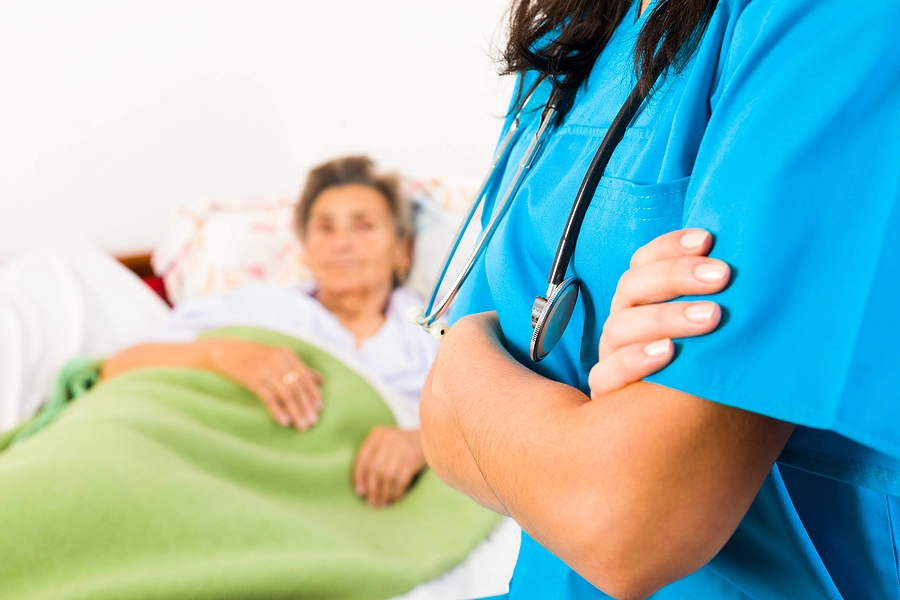
Choosing a nursing home for a loved one is never easy. Families hope these facilities will provide the care, supervision, and support their loved ones need. Unfortunately, not all nursing homes meet these expectations. Abuse and neglect can occur, sometimes leaving residents vulnerable to serious physical, emotional, or financial harm. Knowing the different types of nursing home abuse and recognizing the warning signs is critical for families in South Carolina.
Nursing home abuse can take many forms. While some cases are obvious, others are subtle and harder to detect. Understanding the different types of abuse helps families intervene early and protect their loved ones.
Physical Abuse
Physical abuse is one of the most visible forms of mistreatment. It occurs when staff or caregivers intentionally cause physical harm to a resident. This can include hitting, slapping, pushing, pinching, or inappropriate use of restraints. In some cases, overmedication or withholding necessary medication can also be considered a form of physical abuse.
Warning signs of physical abuse include unexplained bruises, cuts, burns, or fractures. Residents may also show signs of fear or anxiety around certain staff members. Sudden changes in behavior, such as withdrawal or aggression, can also indicate that something is wrong.
Emotional and Psychological Abuse
Emotional abuse is harder to detect but can be just as damaging as physical harm. It includes verbal attacks, threats, humiliation, intimidation, or isolation. This type of abuse often leaves residents feeling worthless, scared, or depressed.
Signs of emotional abuse may include sudden withdrawal from social activities, anxiety, excessive fear of staff members, or unusual changes in mood. Families should pay attention to any behavior that seems out of character or indicates that a resident is being emotionally harmed.
Sexual Abuse
Sexual abuse in nursing homes is a serious and often underreported problem. It can involve unwanted touching, sexual harassment, or assault by staff, other residents, or visitors.
Indications of sexual abuse may include unexplained injuries in the genital or anal area, difficulty walking or sitting, fear of being alone with certain individuals, or sudden changes in behavior or mood. Staff and family members should take any signs seriously and act immediately to protect the resident.
Neglect
Neglect occurs when a facility or caregiver fails to provide the basic needs of residents. This can include inadequate nutrition, poor hygiene, lack of medical care, or insufficient supervision. Unlike active abuse, neglect is often a result of understaffing, lack of training, or indifference.
Warning signs of neglect include weight loss, bedsores, untreated medical conditions, poor personal hygiene, or unsafe living conditions. Residents who are frequently left alone or appear malnourished may be suffering from neglect.
Financial Abuse
Financial abuse happens when someone exploits a resident’s money or property without their consent. This can include stealing money, forging checks, using credit cards, or coercing residents into giving away assets.
Signs of financial abuse may include missing funds, unusual banking activity, unpaid bills despite available resources, or sudden changes in financial situations. Residents who are isolated from family or friends are particularly vulnerable to financial exploitation.
Medication Errors and Overmedication
While not always intentional, improper use of medication can be a form of abuse. Overmedicating residents can be used to control behavior or reduce complaints, while under-medicating may leave residents in pain or without treatment for serious conditions.
Families should monitor prescriptions and ensure medications are administered correctly. Sudden changes in alertness, excessive drowsiness, or frequent confusion may indicate problems with medication management.
How Families Can Protect Loved Ones
Families play a critical role in preventing and identifying nursing home abuse. Regular visits, clear communication, and vigilance are key. Here are some practical steps:
- Visit Frequently and Unexpectedly: Regular visits help families notice changes in physical appearance, behavior, and emotional state. Unannounced visits can reveal issues that might be hidden during scheduled checks.
- Pay Attention to Physical and Emotional Changes: Bruises, sores, unexplained injuries, and sudden mood changes are warning signs. Emotional withdrawal, fear, or depression should never be ignored.
- Communicate with Staff: Establishing relationships with caregivers and nursing home management can make it easier to raise concerns. Ask about routines, staffing levels, and how residents’ needs are met.
- Review Medical and Financial Records: Ensure medical treatments and medications are administered correctly. Monitor bills, statements, and financial transactions to detect potential abuse or fraud.
- Encourage Social Interaction: Isolation increases the risk of abuse and neglect. Encourage visits, phone calls, or social activities to ensure the resident remains engaged and supported.
Legal Options in South Carolina
If abuse or neglect is suspected, families should act immediately. South Carolina law provides protections for nursing home residents and allows families to pursue legal action against those responsible.
Filing a complaint with the South Carolina Department of Health and Environmental Control (DHEC) is one step. Families may also consult with a personal injury lawyer to explore civil claims. Attorneys can assist in gathering evidence, documenting abuse, and seeking compensation for harm suffered.
Early intervention is critical. Prompt reporting can prevent further harm and hold the responsible parties accountable. Families should not hesitate to seek help if they notice signs of abuse.
Conclusion
Nursing home abuse takes many forms, from physical harm to emotional, sexual, and financial exploitation. Neglect and improper medication management also pose serious risks. Recognizing the warning signs and maintaining close involvement in a loved one’s care is essential in South Carolina.
Families must remain vigilant and proactive. Regular visits, communication with staff, and careful monitoring of health and finances can help prevent abuse. If abuse is suspected, reporting it to the proper authorities and seeking legal guidance can protect residents and hold caregivers accountable.
Every resident deserves safety, respect, and dignity. Understanding the types of abuse and knowing how to spot them is the first step in safeguarding loved ones and ensuring they receive the care they deserve.