Common Defenses Property Owners Use in Premises Liability Cases in South Carolina
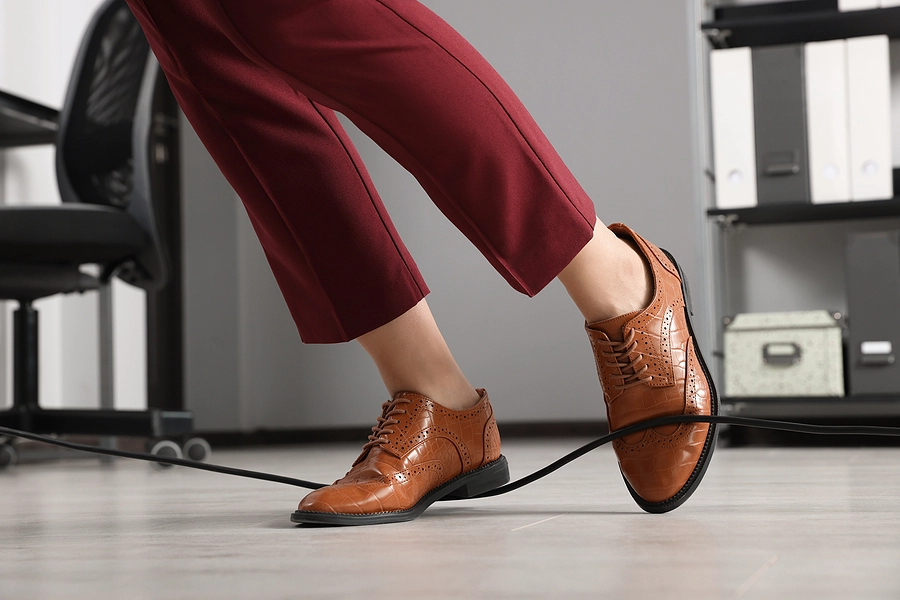
When someone is injured on another person’s property in South Carolina, they may be entitled to compensation through a premises liability claim. These cases arise when property owners fail to maintain safe conditions, leading to accidents such as slips, trips, falls, or other injuries. While victims often focus on proving the property owner’s negligence, it is equally important to understand the common defenses property owners use to protect themselves. Knowing these defenses can help you navigate the legal process and strengthen your case.
Understanding Premises Liability in South Carolina
Premises liability is a legal concept holding property owners accountable for unsafe conditions on their property. South Carolina law requires property owners to exercise reasonable care to prevent harm to visitors. The duty of care depends on the type of visitor. For example, owners owe different levels of care to invitees, licensees, and trespassers. Invitees, like customers in a store, are owed the highest duty. Licensees, such as social guests, are owed a lesser duty, and trespassers are generally owed minimal protection except in cases of willful or wanton harm.
To succeed in a premises liability claim, the injured person must prove three key elements:
- The property owner owed a duty of care.
- The property owner breached that duty.
- The breach caused the injury.
Even if you can show all three, property owners may still use defenses to reduce or eliminate their liability.
Common Defenses in Premises Liability Cases
Property owners often rely on several standard defenses in South Carolina premises liability cases. Understanding these can help you anticipate challenges and prepare evidence to counter them.
Comparative Negligence
South Carolina follows a modified comparative negligence rule. This means that if the injured party is partly at fault for their own injury, the compensation they receive can be reduced proportionally. For example, if you slipped on a wet floor while wearing inappropriate footwear, a property owner may argue that your actions contributed to the accident.
Under South Carolina law, if you are found to be 50% or more at fault, you may be barred from recovering any damages. Even if your fault is less than 50%, your compensation will be reduced based on your percentage of fault. This defense is common in cases where the property owner claims the injury was caused by the victim’s carelessness rather than unsafe conditions.
Lack of Notice
Another common defense involves the property owner claiming they did not know, and could not reasonably have known, about the dangerous condition. In many premises liability cases, such as slip-and-fall accidents, the owner must have had actual or constructive notice of the hazard.
- Actual notice means the owner was directly aware of the hazard.
- Constructive notice means the owner should have known about the hazard if they had exercised reasonable care in inspecting and maintaining the property.
Property owners often argue that the hazard appeared suddenly or that they had no reasonable way to discover it in time to prevent the accident. This defense is particularly common with hazards like spilled liquids, broken flooring, or debris on sidewalks.
Open and Obvious Hazards
In some cases, property owners claim the danger was open and obvious, meaning it should have been apparent to a reasonable person. South Carolina courts sometimes consider whether an average person would recognize the risk and take steps to avoid it.
For instance, if a step is uneven but clearly visible, or a puddle is in plain sight, a property owner may argue that the injured person should have noticed the hazard and acted with caution. This defense does not automatically eliminate liability, but it can reduce damages if the court finds the victim failed to exercise reasonable care.
Trespassing or Unauthorized Access
Property owners may also defend themselves by asserting that the injured person was trespassing or accessing the property without permission. Trespassers generally receive minimal legal protection under South Carolina law. A property owner is typically not responsible for injuries unless they intentionally cause harm or set traps that could injure someone.
Even if the person was technically allowed on the property but was in an area not meant for public use, the owner may argue that they were not responsible for maintaining safety in that specific area.
Intervening or Superseding Causes
Sometimes, a property owner may argue that an intervening event caused the injury, breaking the chain of responsibility. For example, if a visitor slips on a wet floor but had also been distracted by running, or if an external factor like a third-party contractor’s actions contributed to the accident, the owner may claim that the injury was not solely their fault.
This defense can be complex because courts must determine whether the intervening act was foreseeable. If it was not foreseeable, the property owner may be relieved of liability.
How Victims Can Respond to These Defenses
Being aware of these defenses allows injured parties to prepare stronger cases. Here are strategies often used to counter them:
- Document the hazard immediately with photos or video. Evidence of the dangerous condition can show the property owner had notice.
- Gather witness statements from anyone who saw the hazard or the accident.
- Maintain medical records to demonstrate the severity of injuries and the direct link to the accident.
- Consult experts if needed, such as safety inspectors who can testify that the hazard should have been identified and corrected.
- Collect maintenance records from the property owner. A lack of regular inspections or repair records can undermine their claim of no notice.
Even when property owners raise defenses, having thorough evidence can strengthen your case and increase the likelihood of receiving fair compensation.
Conclusion
Premises liability cases in South Carolina can be complex, and property owners often use multiple defenses to limit or avoid liability. Common strategies include claiming comparative negligence, lack of notice, open and obvious hazards, trespassing, and intervening causes. Understanding these defenses is crucial for anyone pursuing a claim after being injured on another person’s property.
If you or a loved one has been injured due to unsafe property conditions, it is important to act quickly. Collect evidence, document the incident, and consult with a South Carolina personal injury attorney who can guide you through the process. Knowing how property owners may defend themselves allows you to anticipate challenges and protect your right to compensation.