How South Carolina Laws Protect Residents from Nursing Home Neglect
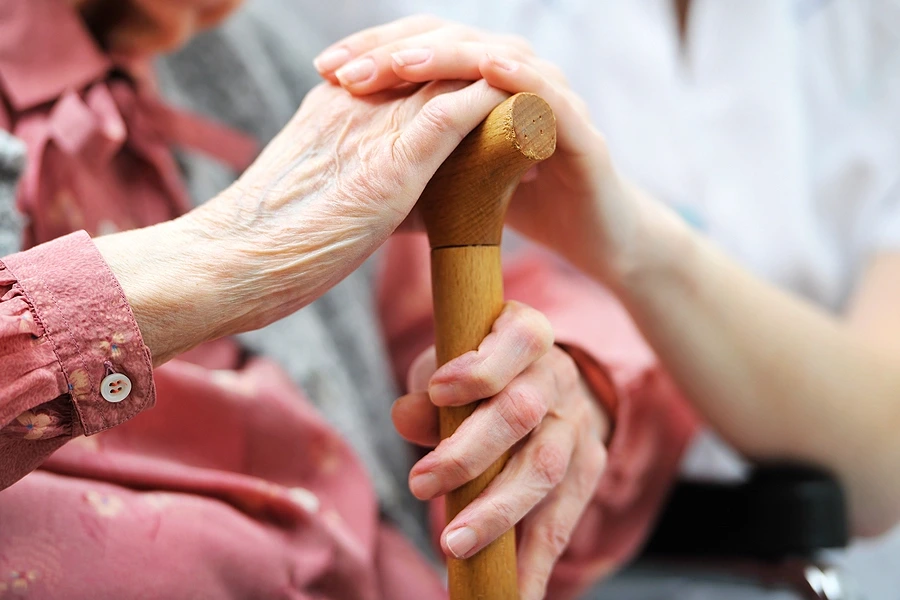
Nursing homes are meant to provide a safe environment for residents who require long-term care. Unfortunately, neglect and abuse in these facilities can occur, leaving residents vulnerable to physical, emotional, and financial harm. South Carolina has laws in place designed to protect residents and hold facilities accountable when they fail in their duty of care. Understanding these protections is important for families and residents alike.
The Duty of Care in South Carolina Nursing Homes
All nursing homes in South Carolina have a legal and ethical responsibility to provide safe, adequate, and respectful care to their residents. This duty of care includes providing proper medical treatment, nutrition, hygiene, and supervision. Facilities are also required to prevent foreseeable harm, such as falls or medication errors.
Neglect can take many forms. It may involve failure to feed residents adequately, not assisting with mobility, ignoring medical needs, or not preventing avoidable injuries. Even emotional neglect, such as ignoring signs of depression or anxiety, is recognized under state law. When a facility fails to meet these standards, residents and their families have legal options.
South Carolina Statutes and Regulations
South Carolina’s laws governing nursing home care are both state and federally informed. The state enforces the Health and Human Services regulations for long-term care facilities. These rules outline requirements for staffing levels, resident care, reporting incidents, and maintaining safe conditions.
One key statute is the South Carolina Nursing Home Act, which sets forth the obligations of facilities to prevent neglect and abuse. It gives the state authority to inspect facilities, investigate complaints, and impose penalties when violations are found. Facilities that fail to meet these standards can face fines, license suspension, or even closure.
Federal laws also play a role. Nursing homes receiving Medicare or Medicaid funding must comply with the Nursing Home Reform Act, which ensures residents receive proper care and protection from harm. Violations of these federal standards can result in federal sanctions and financial penalties.
Reporting and Investigating Neglect
South Carolina has established systems to report suspected nursing home neglect. Residents, family members, or staff can contact the South Carolina Department of Social Services (DSS) Adult Protective Services. DSS investigates reports of abuse or neglect, gathering evidence, interviewing witnesses, and reviewing medical records.
Nursing homes are also legally required to report incidents of neglect or abuse. Failure to report can result in criminal and civil liability for staff and administrators. These reporting requirements ensure that problems are addressed promptly and help prevent further harm to residents.
Types of Legal Actions Against Nursing Homes
Families of residents who experience neglect can pursue several legal avenues. One option is filing a personal injury claim against the facility. These claims seek compensation for injuries caused by neglect, including physical injuries, emotional distress, medical expenses, and long-term care costs.
In cases where neglect is severe or repeated, a wrongful death claim may also be appropriate if the neglect contributes to a resident’s death. South Carolina law allows families to hold facilities accountable and seek damages for the loss of a loved one due to preventable neglect.
Criminal charges may also apply in extreme cases. South Carolina law recognizes that egregious neglect or abuse can constitute a crime. Facility staff or administrators can face criminal prosecution, which may include fines, probation, or imprisonment.
Common Signs of Nursing Home Neglect
Recognizing neglect early is critical to protecting residents. Some common signs include:
- Unexplained bruises, cuts, or burns
- Bedsores or pressure ulcers
- Malnutrition or dehydration
- Poor hygiene or unsanitary living conditions
- Untreated medical issues
- Sudden weight loss
- Withdrawal, depression, or anxiety
Families should remain vigilant and communicate regularly with facility staff. Documenting concerns with photos, medical records, and written notes can strengthen a legal case if neglect is suspected.
The Role of a Personal Injury Lawyer
Navigating a legal claim against a nursing home can be complex. A personal injury lawyer experienced in nursing home neglect cases can help families understand their rights, gather evidence, and file claims. Lawyers can also work with medical experts to document injuries and establish a link between the facility’s negligence and the resident’s harm.
A skilled attorney will also ensure compliance with South Carolina’s statute of limitations, which dictates how long families have to file a claim. Acting promptly is important to protect the resident’s rights and ensure that evidence remains available.
Prevention and Advocacy
While legal protections are vital, preventing neglect before it occurs is equally important. Families should carefully research nursing homes, review inspection reports, and ask about staffing levels and training programs. Visiting the facility regularly and maintaining open communication with staff can also reduce the risk of neglect.
Advocacy groups in South Carolina, such as South Carolina Elder Rights, provide resources for families and residents. These organizations offer guidance on recognizing neglect, reporting concerns, and understanding resident rights.
Conclusion
South Carolina residents living in nursing homes are entitled to safe, dignified, and effective care. State and federal laws work together to protect residents from neglect and hold facilities accountable when they fail in their responsibilities. Families play a critical role in monitoring care, reporting concerns, and taking legal action if necessary.
If a loved one is showing signs of neglect or has suffered harm in a nursing home, it is essential to act quickly. Legal representation can help families navigate the complexities of nursing home law and secure compensation for injuries and losses. Protecting the rights and well-being of residents requires vigilance, knowledge, and timely action.
Understanding these laws and being proactive can make a meaningful difference in the lives of nursing home residents. Every resident deserves a safe and respectful environment, and South Carolina law provides avenues to enforce that right.