Property Owner Responsibility in South Carolina: Preventing Accidents on Your Property
Owning property comes with more than just the benefit of having a home or a place of business. In South Carolina, property owners have a legal duty to make sure their premises are safe for visitors. When someone gets hurt on private or commercial property, the owner may be held responsible if the injury happened because of unsafe conditions that should have been fixed or at least warned about. Understanding these responsibilities is important for both preventing accidents and avoiding costly liability claims.
The Basics of Premises Liability in South Carolina
Premises liability law is the area of personal injury law that deals with accidents on someone else’s property. In South Carolina, property owners must take reasonable steps to keep their property safe. If they fail to do so and someone is injured, they could be legally responsible for the damages.
The type of responsibility depends on the relationship between the property owner and the injured person. For example, customers at a store are considered invitees, meaning they are owed the highest duty of care. Owners must inspect their property regularly and fix hazards in a timely manner. Social guests, often referred to as licensees, are also owed a duty of care, but the obligation is not as strict. Trespassers, on the other hand, are generally not protected, although there are exceptions, especially when children are involved.
Common Hazards That Lead to Accidents
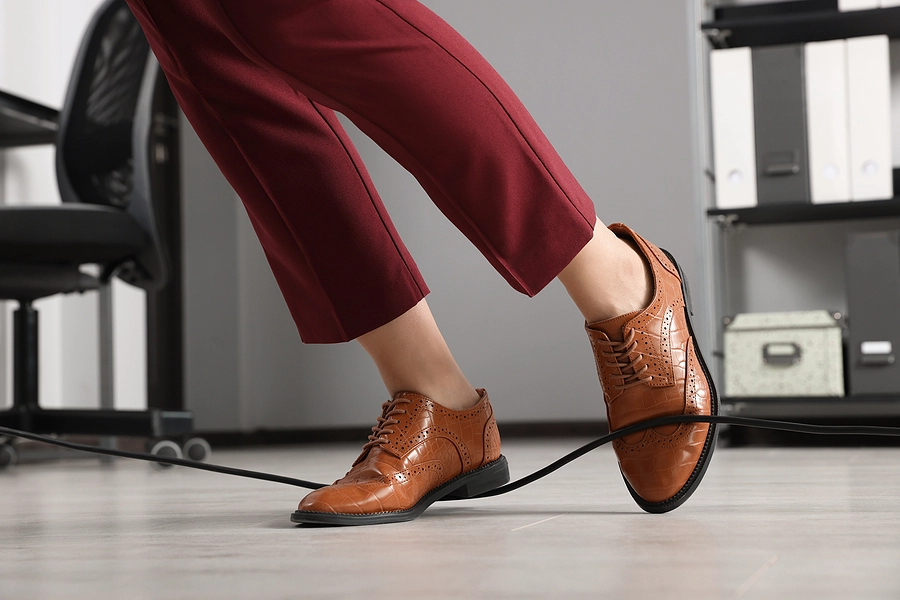
Accidents on property can occur in many different ways, and some of the most common causes are entirely preventable. Frequent hazards include:
-
Wet or slippery floors from spills or recent cleaning that are not marked with warning signs.
-
Broken stairs or handrails that make it difficult to walk safely.
-
Uneven sidewalks or parking lot potholes that increase the risk of trips and falls.
-
Poor lighting in hallways, stairwells, or parking areas that make it hard to see dangers.
-
Loose carpeting or flooring that can cause someone to slip or trip.
-
Unsecured animals that could bite or attack visitors.
-
Inadequate security measures in areas where crimes are foreseeable, such as poorly lit apartment complexes or hotels without proper locks.
Many of these conditions are avoidable with regular maintenance and attention to safety. Property owners who fail to address them could face a lawsuit if someone is injured.
Preventing Accidents Through Regular Maintenance
The most effective way for property owners to avoid liability is to prevent dangerous conditions before they cause harm. Routine inspections are critical. Businesses should have procedures in place to check for hazards throughout the day, while homeowners should monitor areas like steps, railings, and walkways.
Repairing hazards promptly is another key responsibility. If a stair is broken, waiting weeks to fix it increases the chance of someone getting hurt. Even if a repair cannot be made right away, warning signs or barriers should be used to protect visitors. In addition, property owners should ensure that lighting is adequate, parking lots are well maintained, and security measures are in place when needed.
The Role of Warning Signs
Sometimes hazards cannot be fixed immediately. In those cases, warning signs can play an important role in protecting visitors. For instance, placing a “wet floor” sign after mopping helps alert customers to the danger. Similarly, a sign warning of construction or a temporary barrier around a damaged area can reduce the risk of injury. While signs do not replace the duty to repair hazards, they can demonstrate that the owner took reasonable steps to warn visitors.
Children and the Attractive Nuisance Doctrine
South Carolina, like many states, recognizes that children may be drawn to dangerous conditions on a property, such as swimming pools, trampolines, or abandoned vehicles. Under the attractive nuisance doctrine, property owners may be liable for injuries to children, even if the children were trespassing. Because children often do not fully understand risks, owners must take additional precautions to secure potentially hazardous features on their property. This could include installing fences, using pool covers, or locking access to equipment.
When Property Owners Fail to Act
If a property owner neglects their responsibilities and someone is injured, the injured party may pursue a premises liability claim. These claims often seek compensation for medical bills, lost income, pain and suffering, and other damages related to the accident. Proving liability typically requires showing that the owner knew or should have known about the dangerous condition and failed to take reasonable steps to fix it or provide a warning.
For example, if a grocery store employee mops the floor but does not place a caution sign, and a customer slips and breaks an ankle, the store could be held liable. Similarly, if an apartment complex has repeated complaints about broken lighting in stairwells and does nothing, the complex could face responsibility if a tenant or visitor is injured.
The Importance of Legal Guidance After an Accident
For someone who has been injured on another person’s property, navigating the legal process can be overwhelming. Property owners and businesses often have insurance companies working on their behalf to minimize payouts. Having a personal injury attorney can make a significant difference in proving the claim and securing fair compensation. An attorney can gather evidence, interview witnesses, review inspection records, and negotiate with insurers to protect the injured party’s rights.
Steps Property Owners Can Take to Stay Protected
Beyond routine inspections and repairs, there are additional measures that property owners in South Carolina can take to reduce liability risks:
-
Keep detailed records of maintenance and safety checks.
-
Train employees to identify and report hazards quickly.
-
Install adequate security features in high-risk areas.
-
Purchase liability insurance to provide coverage in case of accidents.
-
Regularly review and update safety protocols.
Taking these proactive steps not only helps keep visitors safe but also strengthens an owner’s defense if a claim does arise.
Conclusion
Property ownership carries important responsibilities in South Carolina. Whether it is a business open to the public or a private home, owners must take reasonable care to keep their premises safe. Neglecting to do so can result in serious injuries and costly legal claims. By addressing hazards quickly, posting warnings when necessary, and maintaining a regular inspection routine, property owners can reduce risks and protect both visitors and themselves.
For individuals who have suffered injuries on someone else’s property, understanding your rights is critical. A personal injury attorney can explain whether the property owner may be liable and guide you through the claims process. Preventing accidents is always the goal, but when they occur, knowing the law ensures that injured people have a path to recovery.