How to Ensure Your Loved One’s Safety in a South Carolina Nursing Home
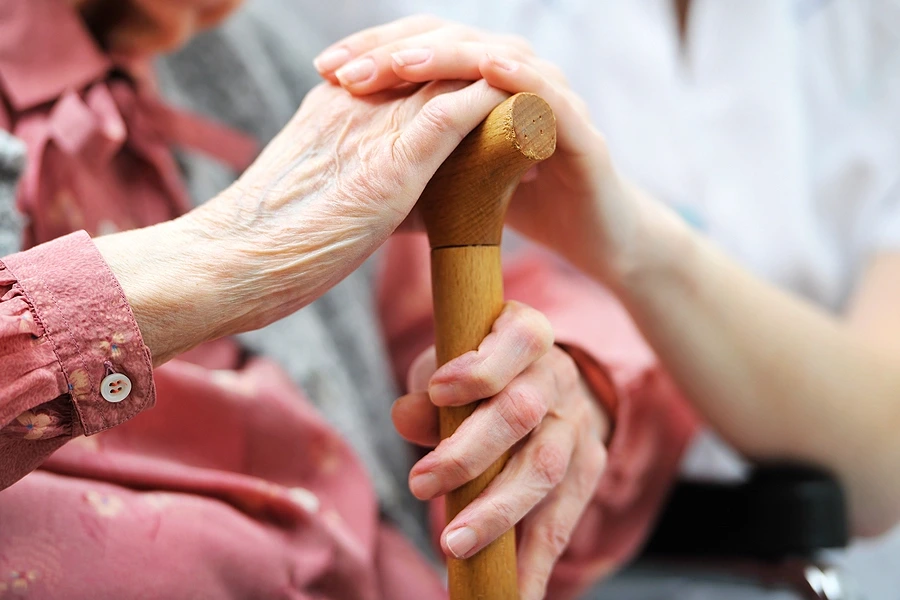
Placing a loved one in a nursing home can be a difficult decision. Families often hope that their relatives will receive quality care, maintain dignity, and stay safe. Unfortunately, nursing home residents can face neglect, abuse, and unsafe conditions. Understanding how to monitor care, recognize warning signs, and take action if necessary is critical for families in South Carolina.
Understanding Nursing Home Responsibilities
Nursing homes in South Carolina are required to provide residents with a safe environment, proper medical care, and respect for their rights. This includes assistance with daily activities such as bathing, dressing, eating, and mobility. Staff members are expected to follow established procedures for administering medications, preventing falls, and responding to medical emergencies.
Federal and state regulations establish minimum standards, but enforcement can vary. Families should know that the responsibility for safety ultimately rests with the nursing home administration and staff. When these duties are neglected, residents are at risk of harm.
Signs of Neglect or Abuse
Recognizing the signs of neglect or abuse is the first step in protecting your loved one. Common indicators include:
- Unexplained bruises, cuts, or burns
- Bedsores or skin infections due to poor hygiene
- Malnutrition or dehydration
- Sudden changes in mood or behavior
- Unsafe living conditions, such as cluttered hallways or lack of proper supervision
These signs do not always mean abuse is occurring, but they warrant careful attention. Documenting observations and reporting concerns promptly is crucial for your loved one’s safety.
Communicating with Nursing Home Staff
Open communication with staff members can help prevent problems. Regularly speaking with nurses, caregivers, and administrators allows families to monitor care and address issues early. Ask about daily routines, medication administration, and any incidents that may have occurred.
Visiting at different times of the day can provide insight into staffing levels, interactions between staff and residents, and overall facility conditions. Many families find that consistent, respectful communication improves the quality of care and fosters accountability.
Creating a Safety Plan
Families can take proactive steps to safeguard their loved ones. Establishing a safety plan may include:
- Keeping detailed records of medical care, medications, and daily activities
- Regularly reviewing financial records to prevent exploitation
- Ensuring the resident has a direct line of communication to family members
- Scheduling routine visits and check-ins
A safety plan provides a structured approach to monitoring care and identifying potential problems before they escalate.
Legal Protections for Nursing Home Residents
South Carolina law grants nursing home residents certain rights, including the right to be free from abuse, neglect, and exploitation. Residents also have the right to receive appropriate medical care, privacy, and dignity. Families should familiarize themselves with these rights and understand how to enforce them.
When violations occur, families may have legal options. A personal injury attorney in South Carolina experienced in nursing home cases can guide families through reporting procedures, investigations, and potential claims for damages. Legal action can hold facilities accountable and prevent further harm to residents.
Reporting Concerns and Taking Action
If you suspect abuse or neglect, it is important to act quickly. Reports can be made to the South Carolina Department of Health and Environmental Control (DHEC), Adult Protective Services (APS), or local law enforcement. These agencies investigate allegations and take steps to protect residents.
Documenting incidents with dates, times, photos, and detailed notes strengthens any formal complaint or legal claim. Families should also preserve medical records, witness statements, and communications with staff, as these can serve as key evidence in investigations or lawsuits.
Working with a Personal Injury Attorney
Engaging an experienced nursing home abuse attorney can provide guidance and support. Attorneys help families understand legal rights, navigate reporting systems, and pursue compensation for injuries, suffering, or financial exploitation. Legal representation also ensures that the facility is held accountable and encourages improvements in care standards.
An attorney can advise on whether a case may involve civil claims, criminal charges, or both. They can also help families coordinate with medical experts, investigators, and other professionals to build a strong case.
Preventing Problems Before They Occur
Prevention is often the best strategy. Families can research facilities carefully before admission, checking inspection reports, reviews, and staffing levels. Visiting multiple times and asking specific questions about care routines, emergency procedures, and staff training can reveal potential red flags.
Encouraging residents to speak openly about their experiences and preferences also promotes safety. Residents who feel comfortable communicating with family and staff are more likely to receive attentive and respectful care.
Conclusion
Ensuring the safety of a loved one in a South Carolina nursing home requires vigilance, communication, and knowledge of legal rights. Families play a critical role in monitoring care, documenting concerns, and advocating for their relatives. By recognizing warning signs, maintaining regular contact with staff, and taking action when necessary, families can protect residents from neglect, abuse, and unsafe conditions.
Legal resources are available for families who encounter problems, and an experienced personal injury attorney can provide guidance and support throughout the process. Protecting a loved one in a nursing home is challenging, but informed, proactive steps can make a significant difference in ensuring safety, dignity, and quality care.